BlogTravel TipsKLM Pet Policy: Cabin Limits, Hold Rules and Cabin Class
KLM Pet Policy 2026: Cabin, Hold and Cabin Class Limits

KLM Pet Policy: Cabin Limits, Hold Rules and Cabin Class

Quick answer: KLM carries one cat or dog in the cabin per passenger, where the animal and its carrier together come to no more than 8 kg and the carrier fits under the seat in front of you. Larger animals travel in the hold. The rule that catches people out has nothing to do with the animal: the cabin you book can disqualify your pet — cabin pets are accepted in Economy, and in Business only on flights within Europe, because intercontinental Business and Premium Comfort seats have no under-seat space for a carrier. Call a travel expert at Fond Travels on +1 (323) 800 6001 and we will check your booking before you pay for the wrong seat.

Figures reflect what was published at the time of writing. Limits differ by departure market and aircraft, so confirm them for your specific flights.

Cabin travel: the limits

  • One cat or dog in the cabin per passenger.
  • Weight: the animal and the travel bag or kennel together, no more than 8 kg.
  • Carrier size: around 46 cm long by 28 wide by 24 high, fitting under the seat in front of you.
  • Cabin class: Economy, or Business on flights within Europe. Not intercontinental Business, and not Premium Comfort.

Weigh the animal in its carrier at home. The combined figure is what counts, and a well-built carrier accounts for more of the 8 kg than owners expect.

The cabin-class trap

This deserves its own section because it is where otherwise careful bookings fail, and because the reason is physical rather than regulatory.

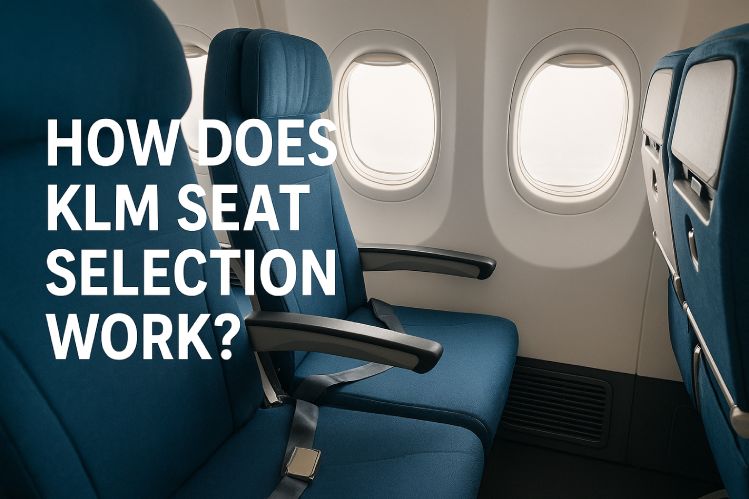
A pet carrier has to go under the seat in front of you. On an intercontinental Business or Premium Comfort seat, there is no usable under-seat space — the seat design does not provide it. So the pet cannot travel in that cabin, however small it is and whatever you are willing to pay.

The practical consequences:

  • If you want your pet beside you on a long-haul flight, you are flying Economy. That is the trade, and it is worth knowing before you book or upgrade.
  • An upgrade after booking can separate you from your animal — or invalidate the pet booking entirely.
  • Within Europe, Business works, because those seats are conventional with under-seat space.
  • Check the cabin on every leg. A trip can be Economy on one flight and a different cabin on the next.

Hold travel

Animals too large for the cabin travel in the hold, with limits that are more generous than many carriers:

  • Up to three animals in the hold on one booking.
  • Sharing a kennel is possible — two adults of comparable size each up to around 14 kg, or three puppies or kittens up to six months old from the same litter.
  • Combined weight of animal and kennel up to around 75 kg.
  • Kennel size capped around 122 cm by 81 by 89 on most flights, and smaller — around 102 by 69 by 76 — on European flights operated by narrow-body aircraft.

That last point matters: the aircraft type can decide whether your crate fits. A kennel that works on a long-haul flight may be too large for the short European leg that follows it.

When hold travel is not available

Several situations rule it out, and they are worth checking before anything is booked:

  • The animal is travelling on a different flight from you. That becomes a cargo shipment through a specialised agent.
  • The destination only accepts animals as cargo. A number of countries require this, and it is a national import rule no airline can waive.
  • Certain aircraft types are reported not to carry animals in the hold at all, and some longer connections are reported as not permitted. These are worth confirming for your exact routing rather than assuming.

In each case the answer is not "no" but "through a different channel", and that channel has its own timeline — which is the reason to establish it early.

Booking it

  • Arrange the pet as soon as you book the flight. The airline's own advice is to contact the contact centre to create a temporary booking with the animal included, so you can be sure you travel together.
  • Space is limited per flight, so this is effectively a reservation rather than a notification.
  • Confirm the cabin class on every leg at the same time.
  • If you change flights, check the pet booking has moved with it rather than assuming it follows.
  • Get it in writing and keep that with the travel documents.

The destination usually sets the timeline

  • An ISO-compliant microchip, implanted before the rabies vaccination. Wrong order means the vaccination is redone and the clock restarts.
  • A current rabies vaccination with its waiting period observed.
  • An EU pet passport or a health certificate, depending on where you are travelling from.
  • A rabies titer test for some destinations, with laboratory lead time and often a further wait after the result.
  • Tapeworm treatment within a defined window for some destinations, including entry to the UK and Ireland for dogs.
  • An import permit or booked quarantine for a few countries.

Any dog entering the United States needs a CDC Dog Import Form receipt, must be at least six months old, must have an ISO microchip and must appear healthy on arrival. The receipt is shown to the airline before boarding, so a missing one stops you at the departure gate in Europe rather than at US immigration. Dogs that have been in a high-risk rabies country in the previous six months face additional requirements.

A realistic timeline

  • Six months out: confirm the destination's import rules and whether it accepts cabin animals at all. Microchip the animal if needed.
  • Five months out: rabies vaccination, then the waiting period.
  • Four months out: titer test if required — the longest single item.
  • Three months out: book flights, checking the cabin class and aircraft type on every leg. Buy the carrier or kennel.
  • Two months out: start acclimatising the animal to the carrier at home, left open with meals served inside.
  • One month out: confirm the pet booking in writing, including each leg.
  • Two weeks out: health certificate appointment inside the destination's window, with endorsement if required.
  • The final week: tapeworm treatment if required, documents assembled, CDC form completed for a dog entering the United States.
  • The day before: trim nails, freeze the water dish for a hold kennel, confirm the flight.

Preparing a pet for the journey

  • Introduce the carrier or kennel weeks ahead, left open at home with a blanket inside.
  • Put something that smells of home in it — a worn t-shirt beats a new blanket.
  • Exercise the animal properly before you leave.
  • Limit food beforehand but not water, and offer water again after landing.
  • Freeze a water dish into a hold kennel so it melts rather than spilling during loading.
  • Label everything with your name and phone numbers at both ends, and check the microchip is registered to a number you answer.
  • Do not sedate without veterinary advice — sedatives affect breathing and temperature regulation at altitude.
  • Expect to carry a cabin animal through security while the carrier is scanned. Use a harness so a startled animal cannot bolt.

What can go wrong, and how to reduce the chance

  • Booking the wrong cabin. Intercontinental Business and Premium Comfort cannot take a cabin pet.
  • Upgrading after booking, which can separate you from the animal or invalidate the pet booking.
  • A kennel too large for the aircraft on a European leg, even though it fits on the long-haul flight.
  • Combined weight over 8 kg for the cabin. Weigh the carrier with the animal in it.
  • A destination that requires cargo, discovered after booking.
  • Microchip after rabies vaccination, which restarts the whole timeline.
  • A dog under six months, or no CDC receipt, flying into the US.

Choosing between the cabin and the hold

For an animal near the 8 kg line, make this choice deliberately rather than by default.

  • The cabin is almost always better for the animal — same air, same temperature, you are there, and no loading process to endure.
  • The hold involves more ground handling and more waiting, which is the part animals find hardest rather than the flight itself.
  • A lighter carrier can sometimes bring a marginal animal under the limit. That is a legitimate thing to solve with a scale.
  • Do not withhold food to make a weight limit. If the animal is genuinely too heavy, the hold is the right answer.
  • Snub-nosed breeds should not travel in the hold, so for those the cabin weight question becomes decisive.
  • Raise an elderly or anxious animal when you book — it affects which routing is sensible as much as the weight does.

Questions to settle before you book

  1. What cabin is each leg of your itinerary in? This is the one people get wrong.
  2. What does the animal weigh in its carrier?
  3. Does the carrier meet the size limit as well as the weight limit?
  4. For hold travel, does the kennel fit the smallest aircraft on your routing?
  5. Does the destination accept animals in the cabin or require cargo?
  6. Has the longest item of paperwork been started?

How Fond Travels can help

  • We check the cabin class on every leg before you book, which is the mistake that costs most on this airline.
  • We check the aircraft type against your kennel size for hold travel, including the shorter European legs.
  • We tell you when hold travel is not available on your routing, and what the cargo alternative involves.
  • We work backwards from the destination's rules — microchip order, rabies timing, titer tests, tapeworm windows.
  • We flag the US entry rules for dogs early, including the CDC form that stops people at the gate.
  • We are reachable on the day, which matters when a flight is delayed and your animal is in the system.

To plan a trip with a pet, call +1 (323) 800 6001. A travel expert answers any hour.

Fond Travels, LLC is an independent travel agency. We are not affiliated with or endorsed by any airline; airline names are used only to identify the flights we book.

Plan the trip

Prefer to talk it through? A travel expert answers 24/7 at +1 (323) 800 6001.

FAQ’s

What happens at security with a cabin pet?

What is the cabin weight limit on KLM?

Can my pet travel with me in Business Class?

What if I upgrade after booking?

How many pets can travel in the hold?

Does the aircraft type matter?

When can my pet not travel in the hold?

How far ahead should I book the pet?

What does my destination require?

What happens if the microchip came after the rabies shot?

What is the CDC form for dogs entering the US?

How much does it cost?

Should I sedate my pet?

Can I take two pets in the cabin?

Where can I find a pet relief area?

About the author
Cynthia Lucas
Cynthia Lucas

Cynthia Lucas, an accomplished travel writer, joined Fond Travels in 2017, contributing expertise to global travel content. She specializes in affordable travel, helping thousands of readers discover the best flight deals, hotel discounts, and effective itinerary strategies. With firsthand travel experience across various regions and countries, Cynthia combines practical advice with insider insights. Her work has been featured in travel blogs, agency newsletters, and independent trip guides, establishing her as a trusted voice for budget-conscious travelers.

Customer Comment

Your email address will not be published.