 +1 (323) 800 6001
Japan Honeymoon Packages from the USA
Planned and booked by phone — call +1 (323) 800 6001, 24/7, or send the form for a call back.
2,500+ Google reviewsAnswered 24/7US agency since 2017 · Woodbridge, VA
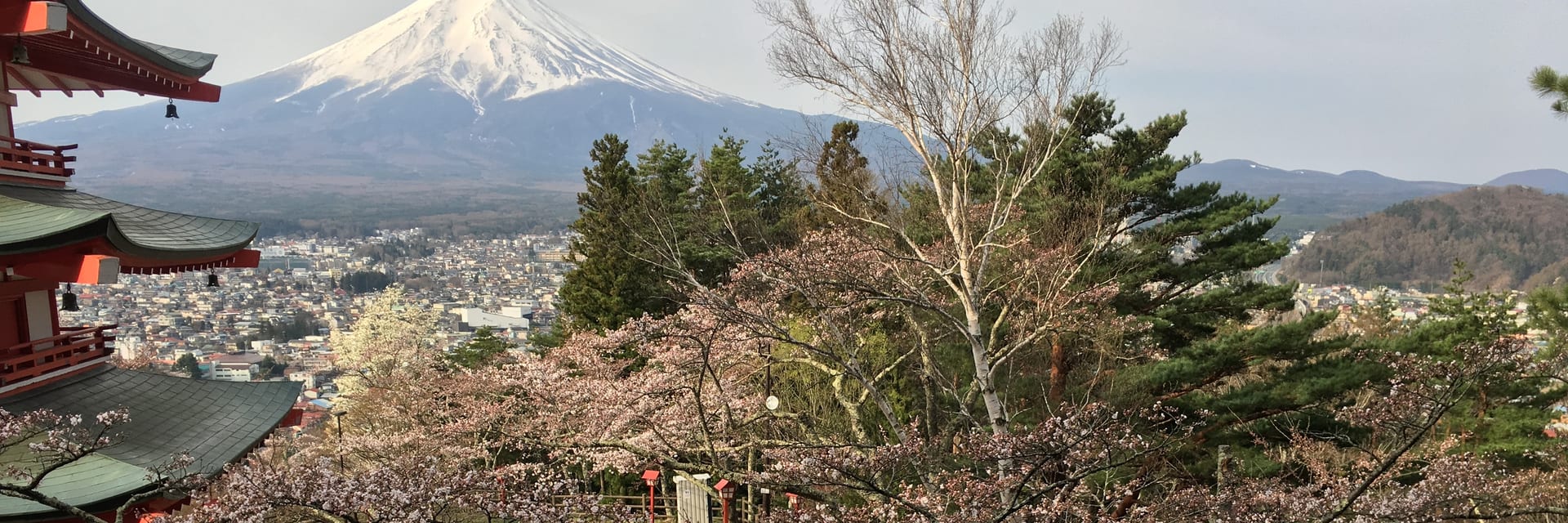
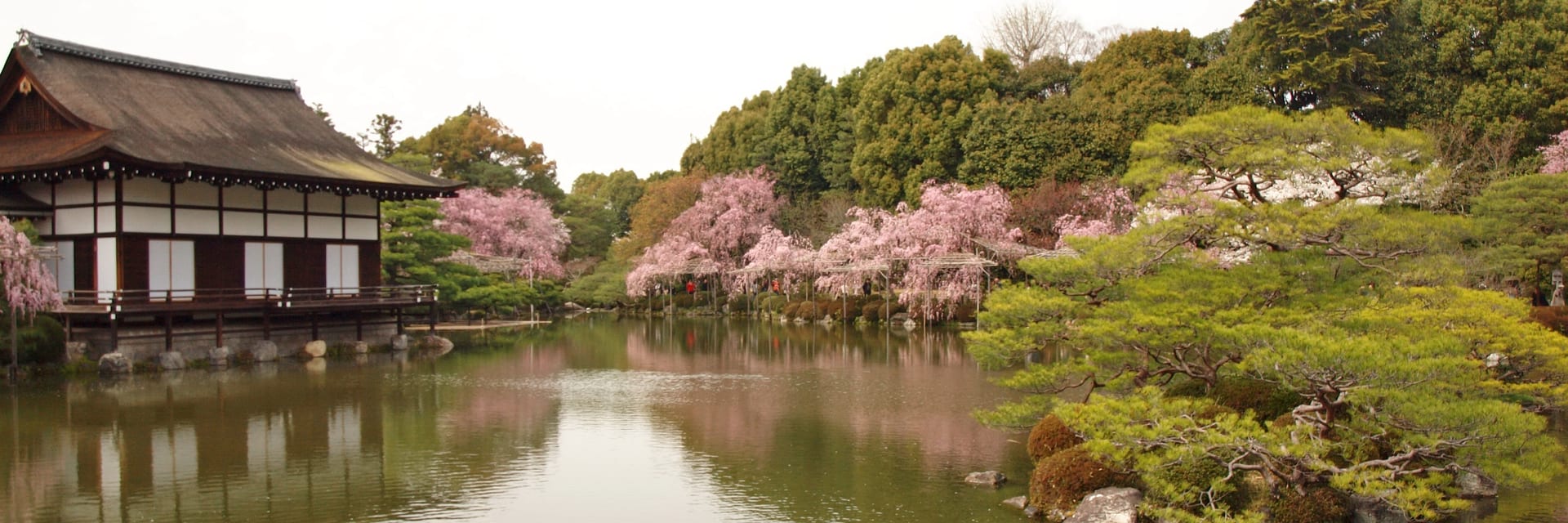
Photo: Olivier Bruchez from Lausanne, Switzerland via Wikimedia Commons, CC BY-SA 2.0
Talk to a travel expert - call +1 (323) 800 6001, 24/7.
Real people, no bots. We plan flights, hotels, transfers and tours together and book everything over the phone. Prefer to start online? Use Plan My Vacation and we call you back.
A Japan honeymoon package from Fond Travels covers the whole trip in one plan: round-trip flights from your US airport, nights in Tokyo, a ryokan with an onsen in the mountains, Kyoto and an optional stop in Osaka or Hiroshima, plus the rail arrangements, transfers and private guides between them. Most couples take 10 to 14 days. Call +1 (323) 800 6001 at any hour and a travel expert builds it with you by phone.
Japan suits honeymooners for reasons that have little to do with resorts. It is easy to move around, the food is extraordinary at every level, it feels safe at any hour, and the contrast between a neon Tokyo evening and a silent cedar-lined temple path two days later is what people talk about for years. A ryokan night, with a private hot spring bath and a long seasonal dinner served in your room, is the romantic centerpiece. This page covers the route, the flights, the seasons, the onsen etiquette that matters, the rail decision and the entry rules for 2026.
A 12-day Japan honeymoon itinerary
The shape below moves in one direction, east to west, so nothing is backtracked. Ten days works if you drop Hiroshima or Osaka; fourteen lets you add a second ryokan night or a day in Nara, Kanazawa or Nikko. We adjust it to your pace and to how much time you want in the cities.
| Days | Where | Highlights |
|---|---|---|
| Day 1 | Travel from the US | Nonstop daytime flight to Tokyo from many US gateways; arrive in the afternoon or evening |
| Days 2-4 | Tokyo | Senso-ji and Asakusa, Meiji shrine and Harajuku, the Shibuya crossing, a sushi counter, a rooftop bar and a day trip to Nikko or Kamakura |
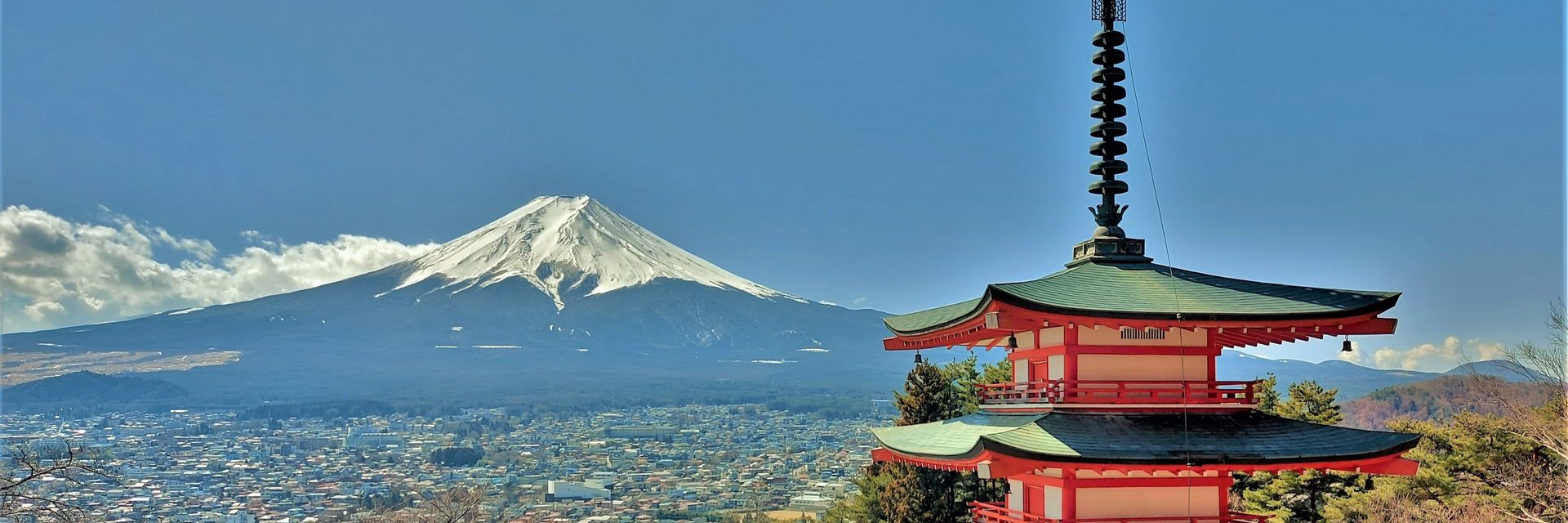
| Days 5-6 | Hakone or another onsen town | Ryokan stay with a private bath, a kaiseki dinner in your room, Lake Ashi, the open-air museum and, on a clear day, Mount Fuji |
| Days 7-9 | Kyoto | Fushimi Inari at dawn, Kiyomizu-dera, the Arashiyama bamboo grove, a tea ceremony and an evening walk through Gion |
| Day 10 | Nara or Osaka day trip | The great bronze Buddha and deer park at Nara, or Osaka castle, Dotonbori and a street-food evening |
| Day 11 | Hiroshima and Miyajima (optional) | The Peace Memorial Park and museum, then the floating gate at Itsukushima shrine at high tide |
| Day 12 | Return to the US | Fly home from Osaka or back to Tokyo, gaining the day across the date line |
Flights from the US to Japan
Japan is the easiest long-haul country in Asia to reach from the United States. There are nonstop flights to Tokyo from a wide range of US gateways on both coasts and in the middle of the country, and nonstops to Osaka from several as well. West Coast departures run roughly 11 to 12 hours; East Coast departures are usually 13 to 14. Most nonstops leave in the late morning or early afternoon and land the following afternoon, which is a gentle way to start a honeymoon because you arrive in daylight.
Tokyo has two airports. Haneda (HND) sits much closer to the center and saves an hour or more of ground time, while Narita (NRT) is further out but is served by more routes. For a honeymoon we usually try to arrive at Haneda and, when the trip ends in Kansai, fly home from Osaka (KIX) on an open-jaw ticket so you do not spend a travel day returning to Tokyo.
Because the flight is long but not brutal, this is one of the few long-haul trips where a premium economy seat is often the right compromise. We quote all three cabins for your dates so you can see the difference, and we book seats together at ticketing rather than leaving it to check-in.
When to go: cherry blossom, autumn leaves and the quieter months
Japan is a country where the date genuinely changes the trip. Two windows are famous, both are beautiful, and both need to be booked early.
- Late March to early April: cherry blossom. The bloom moves north over several weeks and its exact timing shifts with the winter, so no one can promise a date. Flights and the better ryokan rooms sell out months ahead, and the first week of April is busy with domestic travel too.
- Late October to November: autumn leaves, which peak later than most visitors expect and last longer than the blossom. Kyoto in mid to late November is spectacular and extremely full, so we book accommodation and any temple experiences well in advance.
- May, early June and early October: pleasant, much calmer and easier to plan. June brings the rainy season in most of the country, which is greener and quieter than its reputation suggests.
- July and August: hot and humid in the cities, with summer festivals and fireworks; the mountains and the north stay comfortable.
- December to February: cold, clear and the quietest time to see Kyoto, and the season for snow country and deep hot spring baths. The New Year days are a national holiday when many businesses close.
If your dates are flexible, say so when you call and we will tell you which weeks give the same trip with far fewer people in the photographs.
What is included in the package
- Round-trip flights from your US airport, often nonstop, with an open jaw into Tokyo and home from Osaka where it saves you a day.
- Hotels in Tokyo and Kyoto, chosen for the station or district that matches your plans, since location decides how much of the day you spend traveling.
- A ryokan night with an onsen, including the kaiseki dinner and breakfast, and a private bath where you want one.
- Rail arrangements, whether a pass, reserved seats on individual fast trains, or a mix, worked out for your route.
- Private guides for a Tokyo food evening and a Kyoto temple morning, plus a tea ceremony or a craft workshop if you want one.
- Airport transfers and luggage forwarding between hotels so you are not carrying suitcases on to crowded trains.
- Entry paperwork guidance and one contact reachable 24/7 while you travel.
Where to stay: cities, ryokan and the onsen night
In Tokyo, the district decides the trip. Shinjuku and Shibuya put you in the middle of the noise and the late-night dining; Ginza and Marunouchi are calmer and better for rail connections; Asakusa is old Tokyo but further from the evening restaurants. In Kyoto, staying near the station suits couples who plan day trips, while Higashiyama or Gion put you within walking distance of the temples at dawn, which is when they are worth seeing.
The ryokan is the honeymoon night. You change into a yukata, soak before dinner, eat a long seasonal meal and sleep on futons laid out on tatami while you are at the table. Hakone is the easiest one to reach from Tokyo and has Mount Fuji views on a clear day. Other options are Kinosaki on the Sea of Japan and the snow-country inns north of Tokyo in winter. One or two nights is the right amount for most couples.
Onsen, tattoos and the honeymoon details
Public bathing is the part first-time visitors ask about most, and it is easily solved. In a traditional onsen you wash thoroughly at a seated shower before entering the bath, you bathe without a swimsuit, and the baths are separated by gender, which means couples are not bathing together. If that is not what you had in mind for a honeymoon, ask for a private bath.
- Private baths are widely available. Some rooms have their own open-air tub on the balcony or in a small garden; other inns keep bookable private baths that a couple can reserve for a set period. Tell us which you want and we request it at the time of booking rather than on arrival.
- Tattoos: some onsen still restrict visible tattoos, and rules differ by inn rather than by region. Ask us and we will look for inns that allow them or that give you a private bath, so it never becomes an awkward conversation at the door.
- Kaiseki dinner is a fixed seasonal menu, often including raw fish and dashi made with fish stock. Vegetarian, halal and allergy requests are possible at many inns but have to be arranged days ahead, not at the table, so tell us when you book.
- Honeymoon requests such as a cake, a room upgrade or a photographer are made in writing with each property, and we tell you which ones are confirmed.
Two logistics make the trip far more comfortable. The first is luggage forwarding: hand your suitcase to the hotel front desk in the morning and it arrives at the next hotel the following day, so you move between cities with an overnight bag instead of a large case on a busy train. The second is the rail decision. A nationwide pass only pays for itself on a route with several long journeys, and on a simple Tokyo, Hakone and Kyoto trip individual reserved tickets are often better. We price both against your real itinerary.
Entry rules for US citizens in 2026
Governments change these rules often, so confirm them on official sources before you travel. Recent rules for US passport holders:
- No visa for short stays: US citizens may visit Japan for tourism for up to 90 days without a visa.
- Online arrival registration: Japan uses an official web service for immigration and customs declarations, completed before departure, which gives you QR codes to scan at the airport. Doing it in advance saves a long queue on arrival.
- Departure tax: Japan charges an international tourist tax on departure. It is collected inside your ticket, so there is nothing separate to pay at the airport.
- Passport: valid for the duration of your stay, with blank pages. Immigration may ask to see onward tickets and your accommodation details.
- JESTA: Japan has announced plans for an electronic travel authorization, expected around 2028. It is not required in 2026, and we will tell you if that changes before your departure.
Before booking, read the current US State Department travel advisory for every country on your itinerary and consider enrolling in its STEP alert service. Rules for travelers on non-US passports, including green card holders, differ, so tell us every traveler's nationality when you call.
How to get more from your budget
- Fly into Tokyo and home from Osaka. An open-jaw ticket removes a whole travel day at the end of the trip.
- Do the rail math before you buy a pass. On a short two-city route, individual reserved tickets usually work out better than a nationwide pass.
- Pick May, early June or early October. You get the same country as the peak windows with far fewer people and much easier availability.
- Keep the ryokan to one or two nights. It is the most expensive night of the trip and also the one you will remember, so spend well on it briefly.
- Book the peak windows very early. For cherry blossom or the November leaves, start six to nine months out, especially for the ryokan room.
How booking by phone works
- Call +1 (323) 800 6001 at any hour to reach a travel expert.
- Describe the trip: dates, departure city, who is traveling, the pace you like and any meal, room or mobility needs.
- Hear your options and the total for flights, hotels, transfers and tours, with the fare and cancellation rules explained.
- We book and email everything, with a checklist of documents and arrival forms, and stay reachable 24/7 while you travel.
Why book with Fond Travels
Fond Travels, LLC is an independent US travel agency in Woodbridge, Virginia, planning trips since 2017. We are not tied to one airline, resort brand or tour company, so we compare options side by side and recommend what fits your group. We are rated 4.8 out of 5 by more than 2,500 Google reviewers and answer the phone around the clock. Read how booking by phone works with our team.
More trips to consider
- Japan vacation packages for families and first-time visitors.
- Japan cherry blossom tour packages if you want the spring bloom.
- Japan and Korea tour packages to add Seoul to the trip.
- Taiwan vacation packages for a warmer second country.