 +1 (323) 800 6001
Japan and Korea Tour Packages from the USA
Planned and booked by phone — call +1 (323) 800 6001, 24/7, or send the form for a call back.
2,500+ Google reviewsAnswered 24/7US agency since 2017 · Woodbridge, VA
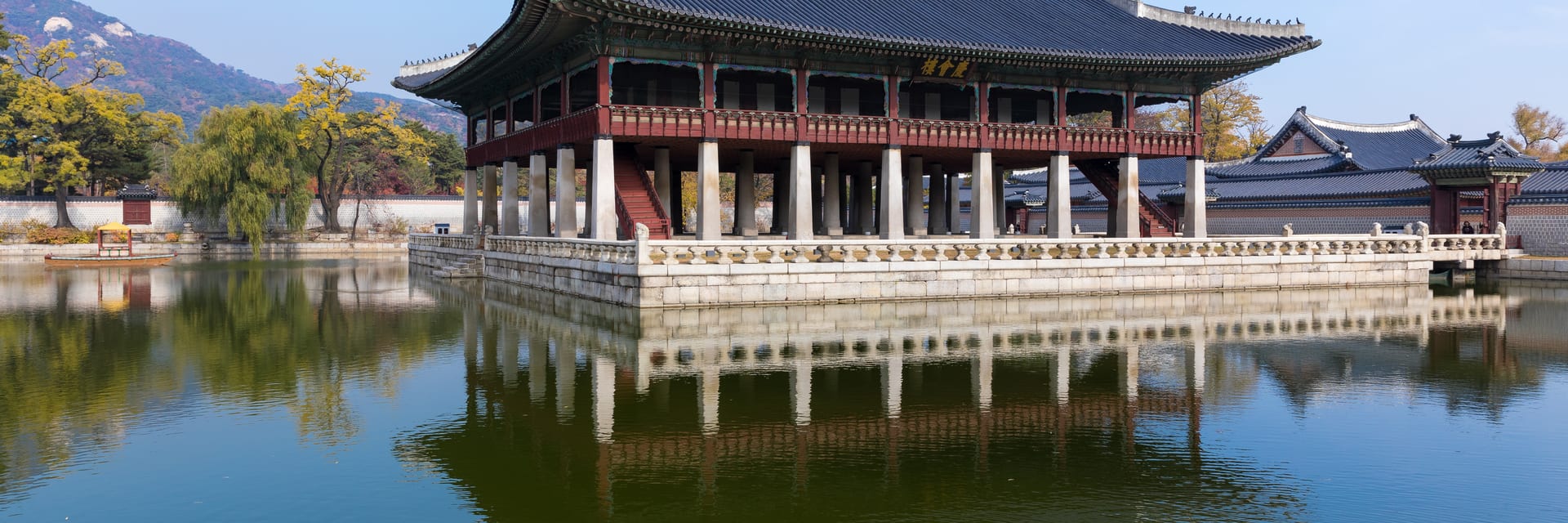
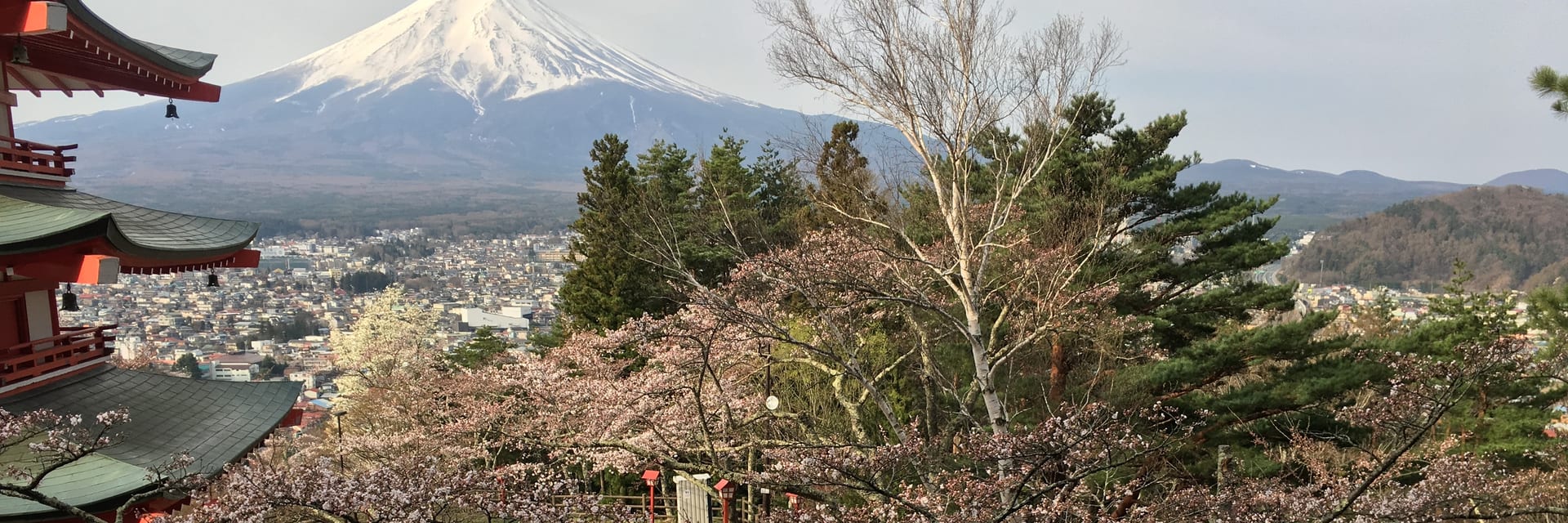
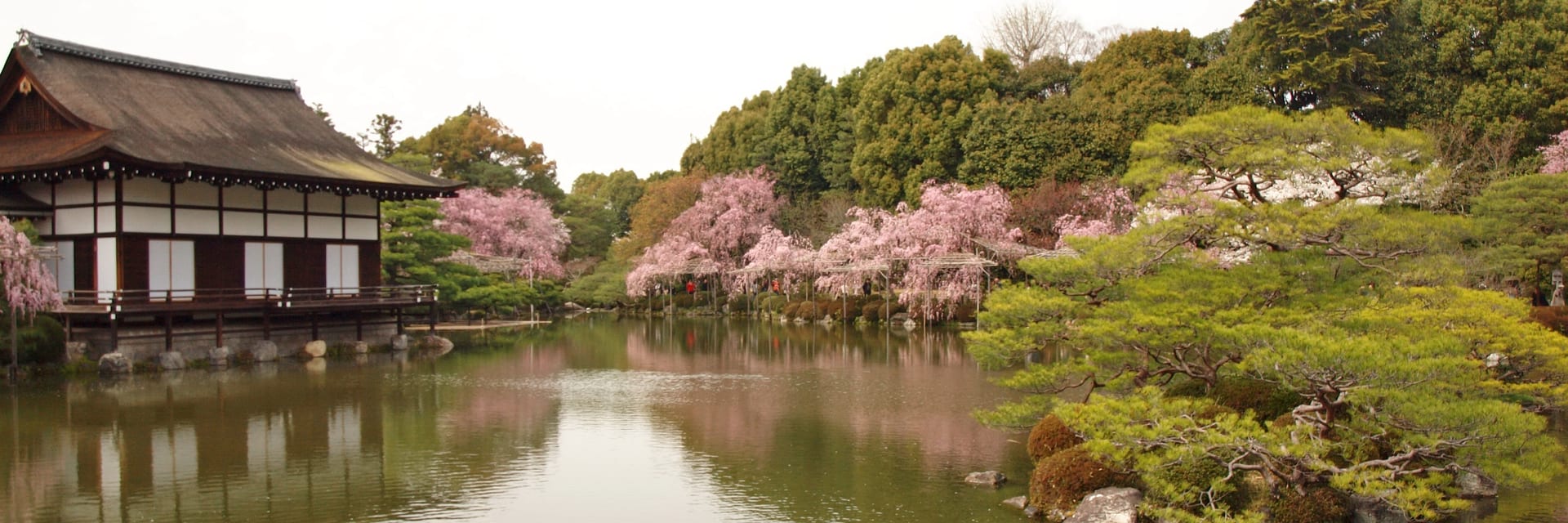
Photo: Frank Schulenburg via Wikimedia Commons, CC BY-SA 4.0
Talk to a travel expert - call +1 (323) 800 6001, 24/7.
Real people, no bots. We plan flights, hotels, transfers and tours together and book everything over the phone. Prefer to start online? Use Plan My Vacation and we call you back.
A Japan and Korea tour package from Fond Travels puts two countries on one open-jaw ticket: fly from your US airport into Tokyo, travel by high-speed rail to Hakone, Kyoto and Osaka, take the short flight to Seoul, and fly home from Korea without doubling back. Call +1 (323) 800 6001 at any hour, tell us your dates, departure city and who is traveling, and a travel expert plans and books the whole 12 to 14 day trip with you by phone, including rail, hotels and guided days.
The pairing works because the two countries are close together and feel completely different. Japan is orderly and layered, with temple towns, mountain hot springs and superb rail. Korea is faster, younger and more compact, with palaces beside glass towers, mountain trails inside the capital and late-night markets. The hop between them takes about two and a half hours. This guide covers a sample itinerary, open-jaw flights, the seasons worth planning around, and the entry rules that change in 2027.
A 13-day Japan and Korea itinerary
Most travelers spend 12 to 14 days, with eight or nine nights in Japan and four or five in Korea. The shape below flies into Tokyo and home from Seoul. For a shorter trip we drop Hakone; for a longer one we add Hiroshima and Miyajima.
| Days | Where | Highlights |
|---|---|---|
| Day 1 | Travel from the US | Nonstop or one-stop flight to Tokyo; transfer to the hotel and an early night |
| Days 2-4 | Tokyo | Senso-ji and Asakusa, Meiji Jingu, Shibuya and Shinjuku, a Tsukiji outer market walk and a day trip to Nikko or Kamakura |
| Day 5 | Hakone | Rail to the mountains, an onsen stay with a kaiseki dinner, the lake and, on a clear day, Mount Fuji |
| Days 6-8 | Kyoto | Fushimi Inari, Kiyomizu-dera, Arashiyama bamboo grove, Gion at dusk and a half day in Nara |
| Day 9 | Osaka | Dotonbori, Osaka Castle and a street-food evening, with Himeji or Hiroshima as an optional day trip |
| Day 10 | Fly Osaka to Seoul | Flight of about two hours; transfer to the hotel and an evening at a night market |
| Days 11-12 | Seoul | Gyeongbokgung and the changing of the guard, Bukchon Hanok Village, Insadong, Namsan and a DMZ tour |
| Day 13 | Busan or Seoul | Rail south to Haeundae Beach and Gamcheon Culture Village, or a slow last day and shopping in Seoul |
| Day 14 | Return to the US | Flight home from Incheon, usually arriving the same calendar day |
Open-jaw flights from the US to Japan and Korea
Both countries are well served from the United States, and nonstop flights to Tokyo and to Seoul operate from many US gateways, so this is one of the easier long-haul trips to build. We normally ticket it open-jaw: from your US airport into Tokyo, and home from Seoul. That usually costs about the same as a round trip and saves the wasted flight back to Japan. From the West Coast, expect roughly 11 to 14 hours in the air; from the East Coast and the Midwest, about 14 to 16 hours nonstop. Schedules change by season, so we confirm the pattern for your dates.
Between the two countries the flying is short. Tokyo or Osaka to Seoul takes about two and a half hours, with departures through the day, and there is also a sea route: ferries run between Fukuoka in southern Japan and Busan in Korea. Inside Japan, the high-speed rail network handles almost everything, and we arrange reserved seats and luggage forwarding between hotels. In Korea, high-speed trains link Seoul with Busan in under three hours.
When to go: spring blossom and autumn color
Both countries share a four-season climate, which makes timing unusually important. Two windows stand out.
- Late March to early April: cherry blossom season, first in southern and central Japan and then in Korea, usually a week or two later. The bloom is short and the dates move each year, so we plan a route that follows it rather than one fixed city.
- Late October to November: autumn foliage, with clear, dry air and comfortable walking weather. Kyoto in late November and the Korean national parks in late October are the highlights, and crowds are lighter than in spring.
- May, early June and September: quieter shoulder months with mild weather, though June brings the start of the rainy season in much of Japan.
- July and August: hot and humid, with summer festivals and typhoon risk. Winter is cold and clear, and good for hot springs, skiing and city sightseeing without crowds.
Watch the holidays. Japan closes down for Golden Week from late April into early May, and again around mid-August. Korea has Seollal in late winter and Chuseok in autumn. Hotels and trains fill first on those dates.
What is included in the package
- Open-jaw international flights from your US airport into Tokyo and home from Seoul, with baggage rules explained.
- The flight between Japan and Korea, or the Fukuoka to Busan sea crossing if you prefer it.
- Rail arrangements in Japan, including a rail pass where it makes sense, reserved seats and luggage forwarding.
- Hotels in each city, plus a traditional ryokan night with dinner and breakfast in a hot-spring town.
- Guided days and entrance fees for the temples, palaces and the DMZ, with a licensed guide.
- Arrival paperwork help: Visit Japan Web, Korean entry requirements and the passport rules for both countries.
- One contact 24/7 for changes before and during the trip.
Where to stay in Japan and Korea
In Tokyo, we usually base first-time visitors near Tokyo Station or in Shinjuku or Shibuya, where the subway and the high-speed rail are close. In Kyoto, staying near the station is easiest for day trips, while Gion and the Higashiyama streets are quieter in the evening. A night in a ryokan, with tatami rooms, a hot-spring bath and a multi-course dinner, is worth planning into the middle of the Japan stretch.
In Seoul, Myeongdong and Jung-gu suit first-time visitors, Insadong and Bukchon are close to the palaces, and Gangnam is calmer and more modern. A stay in a hanok, a restored courtyard house, gives a sense of the old city. In Busan, Haeundae is the beach base and Seomyeon the central one.
Rail, guides and how much to plan
Both countries reward a mix of guided days and independent time, because the public transport is excellent and signage in English is good. The planning question is usually how much structure you want.
- Rail first: Japan's high-speed trains connect every stop on this itinerary, and we arrange reserved seats, explain whether a rail pass is worthwhile and set up luggage forwarding so you are not hauling suitcases up station stairs.
- Half-day guides in Tokyo, Kyoto and Seoul, which is often enough. A licensed guide makes the temples and palaces far more interesting, then the afternoon is yours.
- The DMZ north of Seoul must be visited on an approved tour with your passport, and access can be suspended at short notice, so we confirm operating status before your dates.
Food needs are worth flagging early. Vegetarian and vegan travelers do best with restaurants booked in advance, since dashi and fish stock are common in Japan, and halal dining is easiest in central Tokyo, Kyoto and Seoul. Tell us about allergies and we pass them on in writing with a translated card you can show. For families, we build an observation deck or an aquarium in between temple days.
Entry rules for US citizens in 2026
Governments change these rules often, so confirm them on official sources before you travel. Recent rules for US passport holders:
- Japan: US citizens may visit for up to 90 days as tourists without a visa. Japan has announced a pre-travel authorization system known as JESTA, planned for around 2028, so this is expected to change later.
- Visit Japan Web: complete the online immigration and customs declaration before you fly and save the QR codes to your phone. It makes arrival much faster.
- Japan departure tax: Japan raised its international tourist departure tax in July 2026. It is normally collected with your air ticket rather than at the airport; ask us to confirm how it appears on your fare.
- Korea K-ETA, the important one: US citizens are exempt from the K-ETA travel authorization only through December 31, 2026. As things stand, trips arriving from January 1, 2027 will need a K-ETA unless the exemption is extended again. Confirm the current status on the official Korean K-ETA site close to departure, and we will check it with you when we book.
- Passport: valid for the whole stay, and ideally six months beyond your return, with blank pages.
Before booking, read the current US State Department travel advisory for every country on your itinerary and consider enrolling in its STEP alert service. Rules for travelers on non-US passports, including green card holders, differ, so tell us every traveler's nationality when you call.
How to get more from your budget
- Use the open-jaw ticket. Into Tokyo and home from Seoul removes a flight back to Japan and a whole travel day.
- Travel in May, early June or September if the blossom is not essential. The weather is mild and the sights are quieter.
- Let us check the rail pass math. A pass suits some routes and not others, and point-to-point tickets often win on a short itinerary.
- Book one ryokan night rather than several. It is the experience that stays with people, and one night captures most of it.
- Book 8 to 12 months ahead for blossom season, when the best-located hotels in Kyoto and Seoul go first.
How booking by phone works
- Call +1 (323) 800 6001 at any hour to reach a travel expert.
- Describe the trip: dates, departure city, who is traveling, the pace you like and any meal, room or mobility needs.
- Hear your options and the total for flights, hotels, transfers and tours, with the fare and cancellation rules explained.
- We book and email everything, with a checklist of documents and arrival forms, and stay reachable 24/7 while you travel.
Why book with Fond Travels
Fond Travels, LLC is an independent US travel agency in Woodbridge, Virginia, planning trips since 2017. We are not tied to one airline, resort brand or tour company, so we compare options side by side and recommend what fits your group. We are rated 4.8 out of 5 by more than 2,500 Google reviewers and answer the phone around the clock. Read how booking by phone works with our team.
More trips to consider
- Japan vacation packages for a single-country trip with more time.
- South Korea vacation packages for Seoul, Busan and Jeju.
- Japan cherry blossom tour packages for 2027 if the bloom is the reason you are going.
- Taiwan tour packages from the USA for a third stop in East Asia.
- China vacation packages for Beijing, Xian and Shanghai.