 +1 (323) 800 6001
Japan Cherry Blossom Tour Packages 2027 from the USA
Planned and booked by phone — call +1 (323) 800 6001, 24/7, or send the form for a call back.
2,500+ Google reviewsAnswered 24/7US agency since 2017 · Woodbridge, VA
Talk to a travel expert - call +1 (323) 800 6001, 24/7.
Real people, no bots. We plan flights, hotels, transfers and tours together and book everything over the phone. Prefer to start online? Use Plan My Vacation and we call you back.
A Japan cherry blossom tour package from Fond Travels puts spring 2027 in one plan: nonstop flights from many US airports to Tokyo, hotels in Tokyo, Hakone, Kyoto and Osaka timed to the usual peak bloom in late March and early April, rail travel and guided sakura walks. Hotels for bloom week sell out months ahead, so call +1 (323) 800 6001 at any hour and a travel expert will hold your dates and book the trip with you by phone.
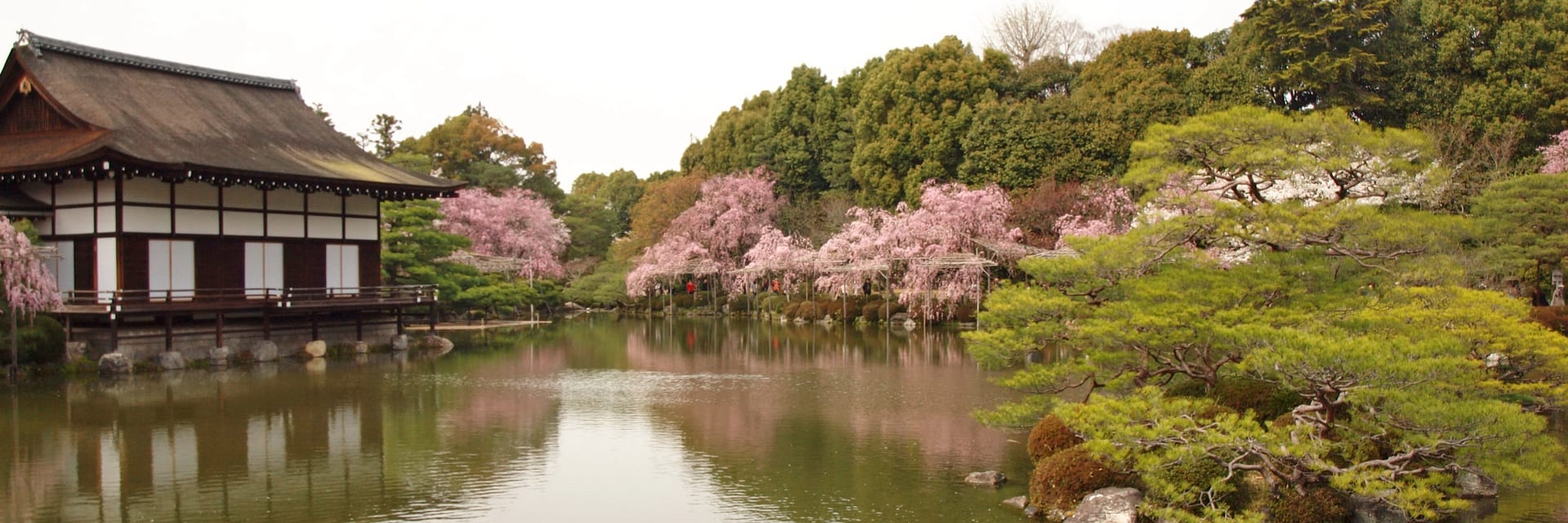
Cherry blossom season, called sakura, is the most loved time to see Japan. Parks, castle moats and temple gardens turn pink and white, families gather for hanami picnics under the trees, and illuminated evening blossoms add a second show after dark. The catch is timing: the bloom lasts only about a week in each city, and everyone wants the same dates. This guide covers a sample itinerary, nonstop flights from the US, how bloom timing works, when to book, and the entry rules for 2027.
An 11-day Japan cherry blossom itinerary
Most travelers spend 10 to 14 days on a first cherry blossom trip. The classic route below flies into Tokyo and home from Osaka, following the bloom from east to west with the Japan Rail Pass or single bullet train tickets. For a later trip in mid to late April, we can add the north, where the trees bloom after Tokyo and Kyoto have finished.
| Days | Where | Highlights |
|---|---|---|
| Day 1 | Travel from the US | Nonstop flight to Tokyo Haneda or Narita, arriving the next calendar day |
| Days 2-4 | Tokyo | Ueno Park, Shinjuku Gyoen, a Chidorigafuchi rowboat, evening blossoms on the Meguro River and a guided Asakusa walk |
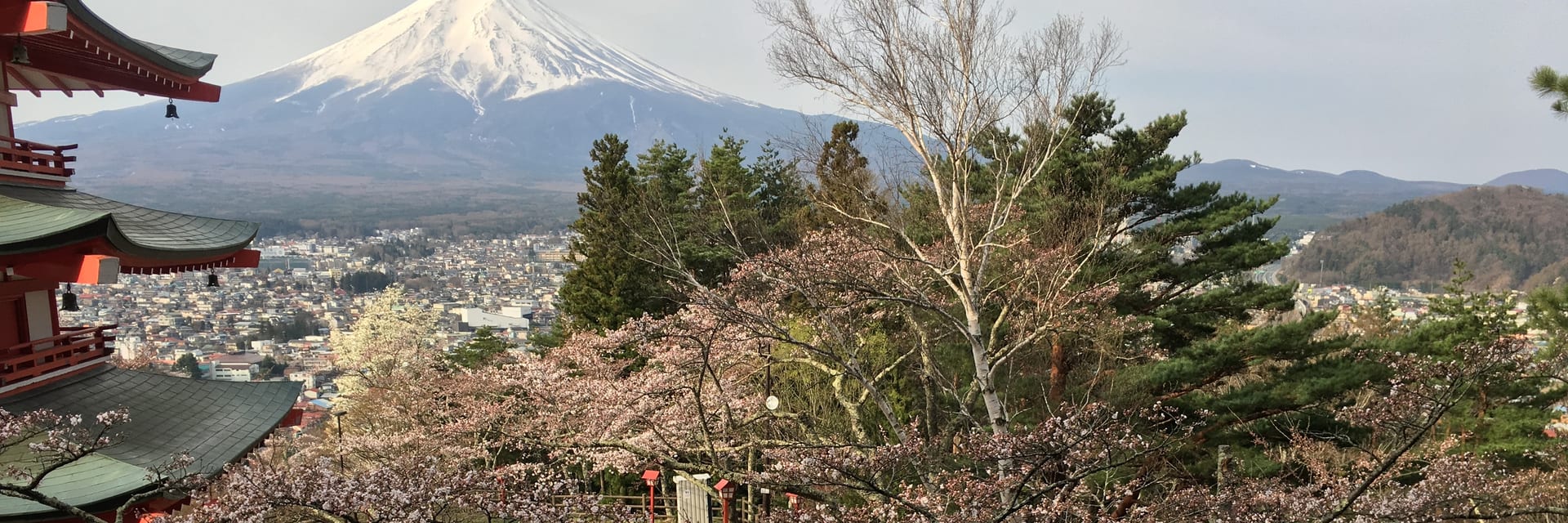
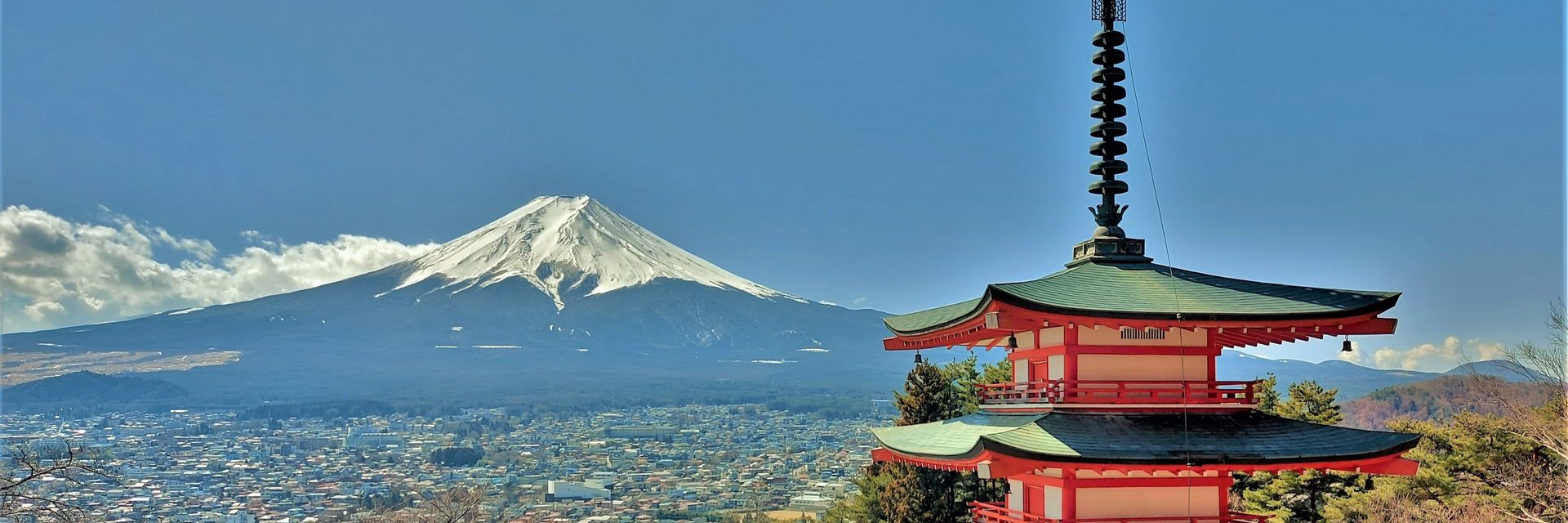
| Day 5 | Hakone | Views of Mount Fuji on clear days, Lake Ashi, the open-air museum and a traditional inn with hot spring baths |
| Days 6-8 | Kyoto | Philosopher's Path, Maruyama Park, Heian Shrine, Arashiyama and a tea ceremony; early starts at Kiyomizu-dera |
| Day 9 | Nara (day trip) | Nara Park and its deer under the blossoms, Todai-ji and the Great Buddha, and Kasuga Taisha |
| Day 10 | Osaka | Osaka Castle park in bloom, the riverside trees at Kema Sakuranomiya and dinner in Dotonbori; optional Himeji Castle |
| Day 11 | Return to the US | Flight home from Osaka Kansai (KIX), arriving the same calendar day |
Nonstop flights from the US to Japan
Japan is one of the easiest Asian destinations to reach from the United States. Nonstop flights link Tokyo, at both Haneda (HND) and Narita (NRT), with many US gateways, including Los Angeles (LAX), San Francisco (SFO), Seattle (SEA), New York (JFK), Chicago (ORD), Dallas (DFW), Houston (IAH) and others such as Honolulu, Denver, Boston and Atlanta. Flying time is about 11 to 12 hours from the West Coast and 13 to 14 hours from the East Coast. Osaka Kansai (KIX) also has nonstop service from several West Coast and Hawaii airports.
We usually book an open-jaw ticket, into Tokyo and home from Osaka, so you never ride back to Tokyo just to fly out. Haneda is closer to central Tokyo than Narita, which helps after a long flight. Spring break and cherry blossom weeks are busy on the Pacific, so we compare fares across gateways and cabins, including premium economy and business class, as soon as you call.
When the cherry blossoms bloom in 2027
Bloom dates move by a week or more from year to year with the weather, so we plan around the usual pattern and adjust as forecasts arrive.
- Late March to early April: peak bloom is usually in this window in Tokyo, Kyoto, Nara and Osaka. Full bloom lasts about a week, and the petals fall soon after.
- Mid to late April: the trees bloom further north, in places such as Kakunodate and Hirosaki Castle in the Tohoku region, which suits a later trip.
- Late April to early May: blossoms reach Hokkaido, but this overlaps with Golden Week, a busy Japanese holiday period.
- Forecasts: Japanese weather services publish the first 2027 bloom forecasts in early 2027 and update them through March.
Our advice is to plan 10 to 14 days covering the last week of March and the first week of April. With two cities on the route, at least one is very likely to be in full bloom, and late-blooming varieties and weeping cherries extend the season in Kyoto.
What is included in the package
- Round-trip or open-jaw flights from your US airport to Tokyo, and home from Osaka where it suits the route.
- Hotels in each city, booked early for bloom week, with a night in a traditional ryokan inn in Hakone or Kyoto.
- Rail travel, either a Japan Rail Pass or reserved single bullet train tickets, whichever is better value for your route.
- Airport transfers by private car or airport train, with help loading a transit card for city trains.
- Guided experiences such as a sakura walk in Tokyo, a Kyoto temple tour, a tea ceremony and a Nara day with a guide.
- Luggage forwarding between hotels, so you ride the train with a small bag.
- One contact 24/7 for changes before and during the trip.
Where to stay for cherry blossom season
In Tokyo, Shinjuku and Shibuya are lively and well connected, Ginza and Marunouchi are central and convenient for Tokyo Station, and Asakusa and Ueno put you close to some of the best blossom parks. In Hakone, a ryokan with private or shared hot spring baths and a multi-course dinner is a highlight of the trip.
In Kyoto, a hotel near Kyoto Station is practical for day trips to Nara and Osaka, while Gion and Higashiyama are the most atmospheric for early walks among temples and blossoms. In Osaka, the Umeda area is good for rail links and Namba for food and nightlife. Rooms in Kyoto are the first to sell out for bloom week, so we secure them first.
Why book by November and December 2026
Cherry blossom season is the busiest time of year for Japanese hotels, especially in Kyoto. The well-located hotels and ryokan inns for the last week of March and first week of April often fill by late autumn, and those left in January tend to be farther out or much pricier. We recommend booking by November or December 2026.
- Book flexible rates where possible, so we can shift a night or two once the 2027 forecasts are published.
- Plan early starts: famous spots such as the Philosopher's Path and Kiyomizu-dera are calm at 7 am and crowded by 10 am.
- Enjoy hanami like a local: pick up a bento and join the picnics in Ueno Park or along the Kamo River.
- See the night blossoms: many parks and temples light up their trees in the evening during the season.
- Consider quieter spots, such as Himeji Castle, Lake Kawaguchi with Mount Fuji views or Yoshino near Nara.
We welcome families, first-time visitors and older travelers. Japanese trains involve stairs and long walks between platforms, so we add luggage forwarding, private transfers and a steady pace where it helps.
Entry rules for US citizens in 2026
Governments change these rules often, so confirm them on official sources before you travel. Recent rules for US passport holders:
- Visa: US citizens can visit Japan for tourism for up to 90 days without a visa. Your passport should be valid for your entire stay.
- Departure tax: Japan raised its international departure tax in July 2026. It is included in the price of your airline ticket, so you do not pay it separately.
- JESTA: Japan plans a pre-travel authorization called JESTA for around 2028. It is not needed for a 2027 cherry blossom trip; confirm before travel as plans can change.
- Visit Japan Web: the official online service lets you complete immigration and customs details before arrival and show a QR code at the airport.
Before booking, read the current US State Department travel advisory for every country on your itinerary and consider enrolling in its STEP alert service. Rules for travelers on non-US passports, including green card holders, differ, so tell us every traveler's nationality when you call.
How to get more from your budget
- Book by November or December 2026 for the widest choice of well-located hotels in bloom week.
- Compare the Japan Rail Pass with single tickets. For a simple Tokyo to Osaka route, single tickets are often better value.
- Fly into Tokyo and out of Osaka to avoid a return train ride and a lost half day.
- Stay near the station in Kyoto. It makes day trips easy and often costs less than central Gion during the season.
- Consider mid-April in the north, where blossoms come later and crowds are usually lighter.
How booking by phone works
- Call +1 (323) 800 6001 at any hour to reach a travel expert.
- Describe the trip: dates, departure city, who is traveling, the pace you like and any meal, room or mobility needs.
- Hear your options and the total for flights, hotels, transfers and tours, with the fare and cancellation rules explained.
- We book and email everything, with a checklist of documents and arrival forms, and stay reachable 24/7 while you travel.
Why book with Fond Travels
Fond Travels, LLC is an independent US travel agency in Woodbridge, Virginia, planning trips since 2017. We are not tied to one airline, resort brand or tour company, so we compare options side by side and recommend what fits your group. We are rated 4.8 out of 5 by more than 2,500 Google reviewers and answer the phone around the clock. Read how booking by phone works with our team.
More trips to consider
- Japan vacation packages for trips in any season.
- South Korea vacation packages for spring blossoms in Seoul.
- Taiwan vacation packages for an easy add-on in Asia.
- Europe Christmas markets tours for a winter trip this year.
- Hawaii vacation packages to break up the Pacific flight.