 +1 (323) 800 6001
Europe Christmas Markets Tours 2026 with Flights from the USA
Planned and booked by phone — call +1 (323) 800 6001, 24/7, or send the form for a call back.
2,500+ Google reviewsAnswered 24/7US agency since 2017 · Woodbridge, VA
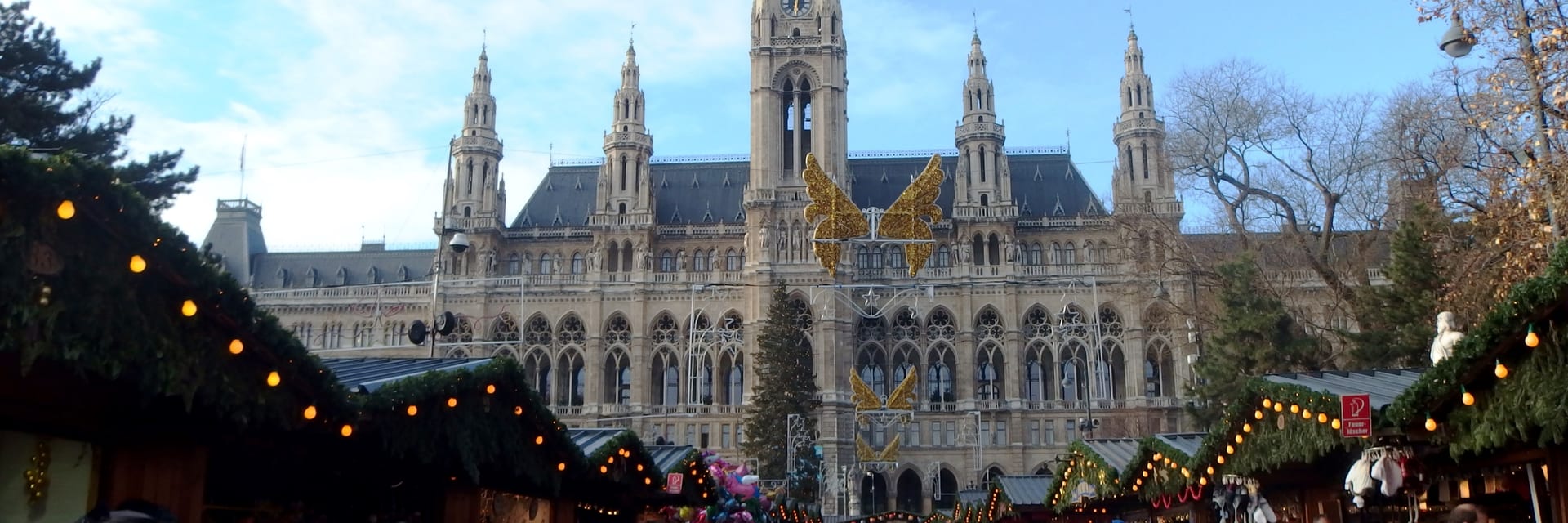
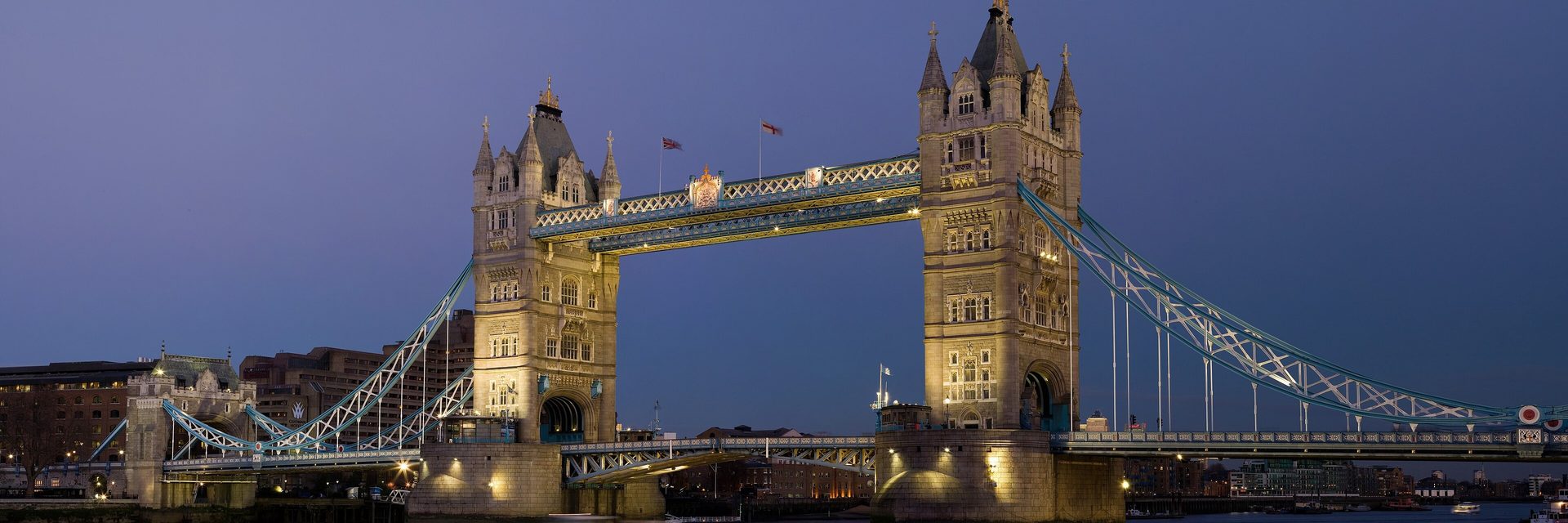
Photo: Palickap via Wikimedia Commons, CC BY-SA 4.0
Talk to a travel expert - call +1 (323) 800 6001, 24/7.
Real people, no bots. We plan flights, hotels, transfers and tours together and book everything over the phone. Prefer to start online? Use Plan My Vacation and we call you back.
A Europe Christmas markets tour from Fond Travels puts the season in one plan: flights from your US airport to Munich, Vienna or Frankfurt, hotels within walking distance of the markets, and rail travel between cities such as Munich, Salzburg and Vienna, or Prague, Budapest and Vienna. There is still time to book 2026 dates, but December weekends fill first, so call +1 (323) 800 6001 at any hour and a travel expert will plan and book it with you by phone.
Christmas markets are one of Europe's most charming traditions. Wooden stalls fill old town squares with handmade ornaments, gingerbread, roasted chestnuts and warm mulled wine, church choirs sing in the evening, and the lights turn historic streets into a holiday scene. Because the cities are close together and linked by fast trains, you can see three or four famous markets in about ten days. This guide covers routes, flights from the US, market dates, where to stay and the new border registration for 2026.
A 10-day Munich, Salzburg and Vienna Christmas markets itinerary
Most travelers spend 8 to 12 days on a Christmas markets tour. This classic route flies into Munich and home from Vienna, with scenic train rides in between, so you never backtrack. The same shape works in reverse, and we can swap in the Prague, Budapest and Vienna route described below.
| Days | Where | Highlights |
|---|---|---|
| Day 1 | Travel from the US | Overnight flight, nonstop from several US gateways, to Munich |
| Days 2-4 | Munich | Marienplatz market under the town hall, the medieval market, a beer hall evening; day trip to Nuremberg |
| Days 5-6 | Salzburg | Train of about 1.5 to 2 hours; Cathedral Square and Hellbrunn Palace markets, and the Silent Night chapel in Oberndorf |
| Days 7-9 | Vienna | Train of about 2.5 hours; Rathausplatz, Schonbrunn, Spittelberg and Belvedere markets, a concert and a coffee house |
| Day 10 | Return to the US | Nonstop or one-stop flight home from Vienna, arriving the same day |
Flights from the US and rail between cities
Munich, Vienna and Frankfurt all have nonstop flights from several US gateways, which makes them the natural start and end points. Depending on the season's schedule, nonstops typically run from airports such as New York, Newark, Washington Dulles, Chicago, Boston, Atlanta, Charlotte, Dallas, Houston, Denver, Los Angeles and San Francisco, for about 8 to 11 hours of flying. From other US cities, one easy connection does the job. Prague and Budapest are usually reached with one connection in winter.
We book an open-jaw ticket, for example into Munich and home from Vienna, so you do not return to your first city. Between cities, the train is the best way to travel: Munich to Salzburg takes about 1.5 to 2 hours, Salzburg to Vienna about 2.5 hours, Prague to Vienna about 4 hours and Vienna to Budapest about 2.5 hours. Trains run from city center to city center, with snowy alpine views on the Austrian leg. We reserve seats in first or second class and can add a private transfer from each station to your hotel.
When the Christmas markets open in 2026
Market season runs roughly from late November to December 23 or 24, and each city sets its own dates, so we confirm them for your route.
- Mid to late November: Vienna usually opens its biggest markets first, around the middle of November. Munich, Nuremberg and Salzburg typically open in the last week of November.
- Late November to mid-December: the best window, with all markets open and fewer crowds on weekdays than on weekends.
- December 23 or 24: most markets in Germany and Austria close on or just before Christmas Eve. Some in Vienna, Salzburg, Prague and Budapest stay open into late December or early January.
- Weekends in December: the busiest days, when hotels in market towns sell out first.
Expect cold, short days, with temperatures often near freezing and darkness by about 4:30 pm. That is part of the magic, since the markets are at their prettiest after dark. Pack warm layers, waterproof shoes, gloves and a hat.
What is included in the package
- Round-trip or open-jaw flights from your US airport, with nonstops to Munich, Vienna or Frankfurt where available.
- Centrally located hotels within walking distance of the main markets and old towns.
- Rail tickets between cities with reserved seats, plus airport and station transfers.
- Guided walks of the old towns and markets, with local food and drink tastings.
- Seasonal extras such as an Advent concert in Vienna or Salzburg, a Christmas dinner or a Silent Night chapel visit.
- Border and travel help, including what to expect from the new EES registration.
- One contact 24/7 for changes before and during the trip.
Routes and where to stay
Prague, Budapest and Vienna is the other great route, combining three capitals with very different markets: the Old Town Square tree and astronomical clock in Prague, the Vorosmarty Square and St. Stephen's Basilica markets in Budapest, and the imperial squares of Vienna. We usually fly into Prague, take the train to Vienna and on to Budapest, and fly home from there, or the reverse. A short flight between Prague and Budapest is an option if you prefer that order.
Strasbourg and Colmar in Alsace, France, have some of the oldest and prettiest markets, with half-timbered houses and canals, and pair well with Frankfurt or Heidelberg. A Rhine itinerary adds Cologne, Rudesheim and the castle-lined river valley. In every city, we book hotels in or next to the old town, so you can walk to the markets in the evening and back to your room when your hands get cold.
Making the most of the market season
Christmas markets are about atmosphere as much as shopping, and a little planning makes the visits far more enjoyable. When you book, we ask about your group, pace and interests, then shape each day around the markets you care about most.
- Visit on weekdays and in the late afternoon, when the lights come on but before the evening crowds arrive.
- Try local specialties: Nuremberg gingerbread and sausages, Austrian punch, Czech trdelnik and Hungarian chimney cake.
- Keep the mug: many markets serve hot drinks in souvenir mugs with a deposit that you get back when you return the mug.
- Bring some cash in euros, Czech koruna or Hungarian forint, as some stalls do not take cards.
- Book concerts early: Advent concerts in Vienna and Salzburg are popular and sell out in December.
These trips suit couples, families with children, groups of friends and older travelers alike. Old towns have cobblestones and some slopes, so we choose hotels close to the markets and add private transfers where walking would be tiring.
Entry rules for US citizens in 2026
Governments change these rules often, so confirm them on official sources before you travel. Recent rules for US passport holders:
- Stay without a visa: US citizens can visit the Schengen area, which includes Germany, Austria, the Czech Republic, Hungary and France, for up to 90 days in any 180-day period for tourism.
- EES registration: the Schengen Entry/Exit System has been fully operational since April 10, 2026. On your first entry, border officers take your fingerprints and a photo. There is no cost, but allow extra time at passport control.
- ETIAS: the planned ETIAS travel authorization has no launch date and is not needed for 2026 trips. Ignore unofficial sites offering it.
- Passport: valid for at least three months beyond your planned departure from the Schengen area and issued within the past ten years.
Before booking, read the current US State Department travel advisory for every country on your itinerary and consider enrolling in its STEP alert service. Rules for travelers on non-US passports, including green card holders, differ, so tell us every traveler's nationality when you call.
How to get more from your budget
- Travel in late November or early December, when all markets are open and hotels are easier to find than in mid-December.
- Stay Sunday to Thursday in the market towns, since December weekends are the busiest and fill first.
- Use the open-jaw ticket to avoid a return train ride and a lost day.
- Choose trains over short flights. They are city center to city center and often quicker door to door.
- Book soon for 2026. There is still time for December dates, but well-located hotels are going fast.
How booking by phone works
- Call +1 (323) 800 6001 at any hour to reach a travel expert.
- Describe the trip: dates, departure city, who is traveling, the pace you like and any meal, room or mobility needs.
- Hear your options and the total for flights, hotels, transfers and tours, with the fare and cancellation rules explained.
- We book and email everything, with a checklist of documents and arrival forms, and stay reachable 24/7 while you travel.
Why book with Fond Travels
Fond Travels, LLC is an independent US travel agency in Woodbridge, Virginia, planning trips since 2017. We are not tied to one airline, resort brand or tour company, so we compare options side by side and recommend what fits your group. We are rated 4.8 out of 5 by more than 2,500 Google reviewers and answer the phone around the clock. Read how booking by phone works with our team.
More trips to consider
- Germany vacation packages for Munich, the Rhine and Bavaria.
- Vienna, Austria vacation packages for a longer stay in the imperial capital.
- Prague vacation packages for Old Town and Bohemia.
- Budapest vacation packages for thermal baths and the Danube.
- European river cruise packages to see the markets by river.
- Christmas and New Year in the Caribbean for a warm holiday instead.