+1 (323) 800 6001
Kenya and Tanzania Safari Packages from the USA
Planned and booked by phone — call +1 (323) 800 6001, 24/7, or send the form for a call back.
2,500+ Google reviewsAnswered 24/7US agency since 2017 · Woodbridge, VA
Talk to a travel expert - call +1 (323) 800 6001, 24/7.
Real people, no bots. We plan flights, hotels, transfers and tours together and book everything over the phone. Prefer to start online? Use Plan My Vacation and we call you back.
A Kenya and Tanzania safari combines the Masai Mara with the Serengeti and Ngorongoro Crater in one trip, and the month you pick decides what you see. Fond Travels plans the whole thing from the USA: flights into Nairobi or Kilimanjaro, the safari itself, hotels before and after, transfers, and add-ons such as Zanzibar or a Kilimanjaro climb. Call +1 (323) 800 6001 and we price it around your dates by phone.
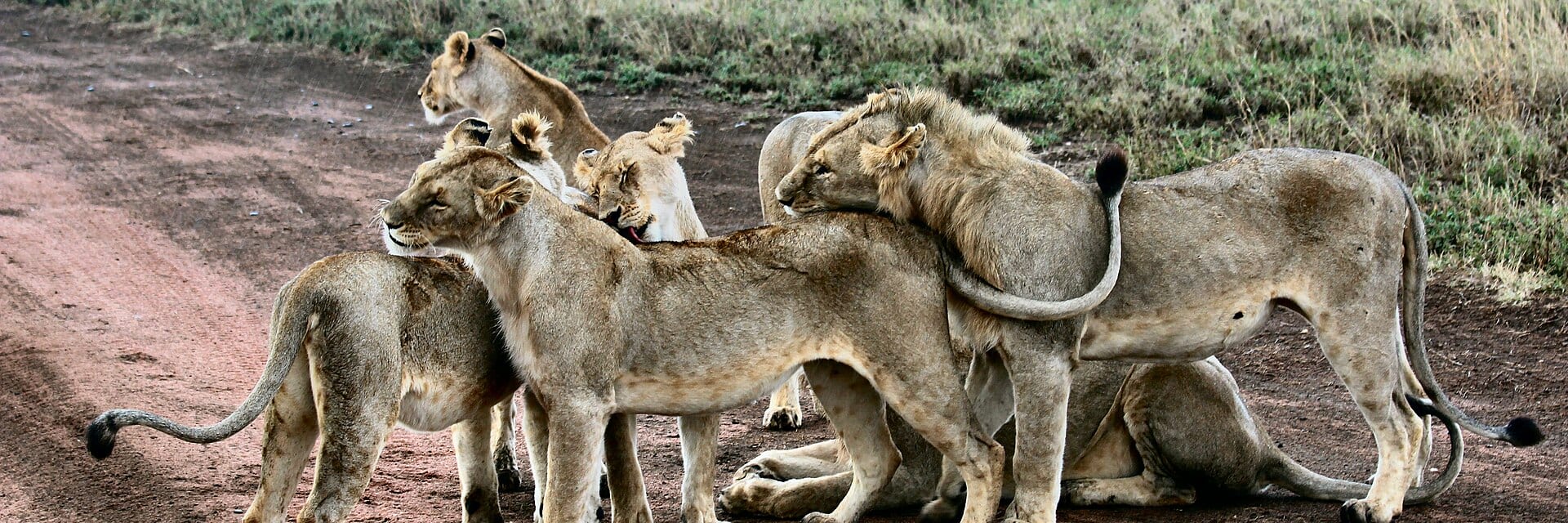
Kenya and Tanzania share one great grassland ecosystem, so the same herds move between the Serengeti and the Masai Mara through the year. Combining the two countries lets you follow the animals rather than hope they come to you. This page shows what organized safaris actually cost for 2027, which months suit which parks, how the flights work from US gateways, and the visas, vaccines and baggage limits that catch first-time safari travelers out.
What a Kenya and Tanzania safari costs in 2027
The table lists real small-group safaris and one Kilimanjaro climb, with the starting price per person for the departure shown. These are land prices for two people sharing a room or tent, so add international flights, visas and tips. Where the starting price is reduced, the regular price sits beside it, which shows how much the date itself moves the cost.
| Tour | Days | Style | Starting price per person | Regular price | Departure with that price |
|---|---|---|---|---|---|
| Kenya camping safari | 8 | Simple | $1,540 | $1,925 | Nov 14, 2026 |
| Kenya and Tanzania safari, Nairobi to the Serengeti | 8 | Simple | $1,659 | $2,370 | Dec 5, 2026 |
| Tanzania family safari | 7 | Simple | $2,108 | $2,480 | Dec 26, 2026 |
| Kilimanjaro climb, Machame route | 8 | Simple | $2,940 | - | Feb 27, 2027 |
| Kenya and Tanzania lodge safari | 10 | Standard | $3,834 | $4,510 | Nov 27, 2026 |
| Premium Kenya safari | 7 | Premium | $7,655 | - | May 8, 2027 |
| Premium Tanzania safari | 8 | Premium | $7,925 | - | May 15, 2027 |
| Kenya and Tanzania safari, comfort lodges | 13 | Comfort | $8,345 | - | May 24, 2027 |
Starting prices per person, land only, two sharing a room, from a tour operator we book through, checked on November 9, 2026. "Regular price" is the operator's normal price where the starting price was reduced. Prices change daily and depend on the departure date. International flights are not included.
Style is the biggest price lever. The simple trips use tents or basic lodges and start at $1,540 for an 8-day Kenya camping safari. The 10-day Kenya and Tanzania lodge safari starts at $3,834, while the premium Kenya and premium Tanzania trips start at $7,655 and $7,925 for a week or a little more, and the 13-day comfort safari across both countries starts at $8,345. Those premium and comfort prices are for May departures, in the long rains; dry-season dates usually cost more.
Short-rains departures carry the reductions. The November and December dates are priced well below normal: the Nairobi to Serengeti safari starts at $1,659 against a regular $2,370, close to a third less, and the 10-day lodge safari is $3,834 against a regular $4,510. The trade-off is afternoon showers and greener grass, not an empty landscape. Add a round-trip economy fare, which in our March check started at $839 to Nairobi from New York, and you have the core of the trip.
A 12-day Kenya and Tanzania safari itinerary
This is the shape most first-time visitors enjoy: Kenya first, then the Tanzanian parks, ending near Kilimanjaro airport so nobody drives back the way they came. Group tours follow a similar loop; a private safari lets us shift nights toward wherever the herds are that month.
| Days | Where | Highlights |
|---|---|---|
| Days 1-2 | Travel to Nairobi | Overnight flight from the US, arrival transfer and a rest night in Nairobi before the safari starts |
| Days 3-5 | Masai Mara, Kenya | Morning and afternoon game drives across open grassland; river crossings from roughly July to October |
| Day 6 | Mara to the border | Long drive day toward Tanzania, crossing at an official border post with passports and visas checked |
| Days 7-8 | Serengeti, Tanzania | Full days in the Serengeti following the resident cats and, in season, the migrating herds |
| Day 9 | Ngorongoro Crater | Descend into the crater for a day of game viewing inside the walls of a collapsed volcano |
| Day 10 | Tarangire or Lake Manyara | Large elephant herds and baobab trees in Tarangire, or the forest and lake shore at Lake Manyara |
| Day 11 | Arusha area | A slower day near Arusha, with a day room or an overnight before the flight home |
| Day 12 | Fly home or onward | Depart from Kilimanjaro airport to the US, or continue to Zanzibar for a beach extension |
Flights to Nairobi and Kilimanjaro from the US
Most safaris start in Nairobi or near Kilimanjaro airport, and the fare to each can differ by several hundred dollars from the same US city. Here is what we found for a March 2027 trip:
For travel from March 3 to 15, 2027, round-trip economy fares to Nairobi started at $839 from New York (JFK) (typical $872), $849 from Washington Dulles (typical $1,043), $965 from Chicago (typical $1,064) and $1,139 from Los Angeles (typical $1,230). For travel from March 3 to 15, 2027, round-trip economy fares to Kilimanjaro started at $1,188 from New York (JFK) (typical $1,292), $1,294 from Washington Dulles (typical $1,328), $1,176 from Chicago (typical $1,227) and $1,546 from Los Angeles (typical $1,711). These are public economy fares we checked in November 2026, with taxes included; they change daily.
Nairobi is the main gateway for East Africa, and there is a nonstop from New York. From most other US cities the trip connects once, usually in Europe, the Gulf or another African hub, and it is a long overnight journey either way. Kilimanjaro airport is the gateway for northern Tanzania; it always needs a connection from the US but lands you close to Arusha, the Serengeti road and the mountain itself.
For a two-country safari we usually book an open-jaw ticket: into Nairobi and home from Kilimanjaro, or the reverse. That avoids a long drive back to the starting point on the last day. If you want a lie-flat seat for the long legs, see our business class options to Nairobi.
Small bush flights between camps and parks save long drives but limit baggage to about 15 kg (33 lb) per person, packed in soft bags without wheels or frames. Plan for that from the start: neutral, layered clothes and one soft duffel. Many hotels in Nairobi and Arusha can hold a larger case if you are continuing to a beach or a city afterward.
When to go: the Great Migration month by month
There is good game viewing in East Africa all year, because the resident animals do not migrate. What changes is where the big herds are, how green the grass is and what the camps charge.
- January to March: the herds calve in the southern Serengeti, which brings predators close and suits a Tanzania-focused trip.
- April and May: the long rains. Prices fall, the landscape is lush and quiet, and some camps close for the season.
- June to October: the dry season, with the best game viewing and the highest prices. Mara River crossings in Kenya usually happen from July to October, so this is the window for a Masai Mara-focused trip. Book well ahead.
- November and December: the short rains, usually afternoon showers rather than all-day rain, with reduced prices on many departures.
No one can promise a river crossing on a given day; the herds move with the rain. A trip of three or more nights in the Mara during the crossing season gives you a fair chance, and a private guide can wait at the river for as long as you like.
What is included in the package
- Round-trip international flights from your US airport, usually open-jaw into Nairobi and out of Kilimanjaro.
- The safari itself, group or private, with game drives, park entry, a driver-guide and the camps or lodges you choose.
- Hotel nights before and after in Nairobi or Arusha, so a delayed flight does not cost you a day in the parks.
- Airport and border transfers, plus bush flights between parks where they save a long drive.
- Add-ons such as a Zanzibar beach extension, a Kilimanjaro climb or a stopover on the way home.
- Visa and health checklist covering the Kenya eTA, the Tanzania e-visa, yellow fever and malaria advice.
- One contact reachable 24/7 before and during the trip.
Simple, comfort or premium: choosing your safari style
Simple safaris use tents or basic lodges and small groups in a safari vehicle. They suit travelers who care about the animals more than the room, and they make East Africa affordable. Expect early starts, shared facilities at some camps and long but rewarding days.
Comfort and premium safaris use lodges and tented camps with private bathrooms, better beds and more time in the best areas. Tented camps are not camping in the usual sense: canvas walls, real furniture and the sound of the bush at night. Premium trips also tend to mean smaller groups, more flexible game-drive times and fewer long transfer days.
A private safari is worth pricing for families, multigenerational groups and photographers. You set the pace, you can stay out at a sighting as long as you like, and children or older travelers are not tied to a group schedule. We plan these often for family trips and slower-paced travelers.
Adding Kilimanjaro or Zanzibar to a safari
Many travelers make the long flight once and combine the safari with a second experience. The two most popular add-ons sit next to the Tanzanian parks.
- Kilimanjaro: Africa's highest mountain at 19,341 ft. The Machame route takes about 6 to 7 days on the mountain, and the climb in the table above is an 8-day trip. It needs real fitness and a doctor's check, and we schedule it before the safari so the game drives become the recovery.
- Zanzibar: a short flight from the mainland to white-sand beaches, a historic old town and a few slow days after early starts on safari.
- Amboseli: a Kenya park known for elephants with Kilimanjaro views, an easy extra two nights on a Kenya-first route.
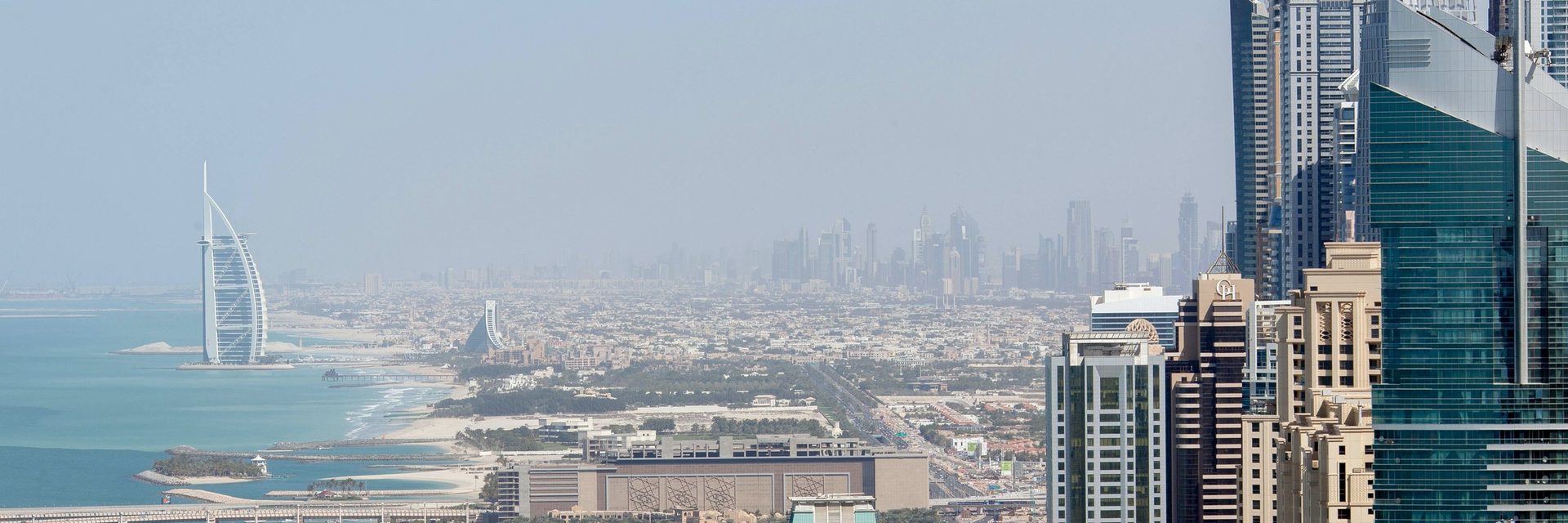
- A stopover on the way home: many routings connect through the Gulf, so a few nights in Dubai or a Mauritius beach week can break the journey.
Health planning starts early. Travelers crossing from Kenya into Tanzania may be asked for a yellow fever vaccination certificate, and the CDC recommends malaria prevention for most safari areas. See a travel clinic several weeks before departure and carry the certificate with your passport.
Entry rules for US citizens in 2027
Governments change these rules often, so confirm them on official sources before you travel. Rules for US passport holders as of November 2026:
- Kenya: an Electronic Travel Authorization (eTA) is required before travel. Apply only on the official site, etakenya.go.ke; the standard fee is about $30.
- Tanzania: a visa is required. US citizens can apply for an e-visa on Tanzania's official immigration portal; the fee for US citizens is $100.
- Yellow fever: travelers crossing from Kenya into Tanzania may be asked for a yellow fever vaccination certificate.
- Malaria: the CDC recommends malaria prevention for most safari areas, so see a travel clinic before you go.
- Passport: check the current validity and blank-page requirements for both countries before booking, and carry it at every border post.
Before booking, read the current US State Department travel advisory for every country on your itinerary and consider enrolling in its STEP alert service. Rules for travelers on non-US passports, including green card holders, differ, so tell us every traveler's nationality when you call.
How to get more from your budget
- Travel in the short rains. November and December departures carry the biggest reductions, and game viewing is still good.
- Compare Nairobi and Kilimanjaro fares. The two gateways price differently from the same US city, and we check both before choosing the route.
- Spend on the right nights. A better camp in the Mara or the Serengeti matters more than an upgrade in the city hotel.
- Fly between far-apart parks. A bush flight can cost less than the lost day of a long drive, as long as you pack light.
- Book dry-season dates early. July to October sells first, especially for smaller camps near the Mara River.
How booking by phone works
- Call +1 (323) 800 6001 at any hour to reach a travel expert.
- Describe the trip: dates, departure city, who is traveling, the pace you like and any meal, room or mobility needs.
- Hear your options and the total for flights, hotels, transfers and tours, with the fare and cancellation rules explained.
- We book and email everything, with a checklist of documents and arrival forms, and stay reachable 24/7 while you travel.
Why book with Fond Travels
Fond Travels, LLC is an independent US travel agency in Woodbridge, Virginia, planning trips since 2017. We are not tied to one airline, resort brand or tour company, so we compare options side by side and recommend what fits your group. We are rated 4.8 out of 5 by more than 2,500 Google reviewers and answer the phone around the clock. Read how booking by phone works with our team.
More trips to consider
- Business class from New York to Nairobi for a lie-flat start to the safari.
- Mauritius and Dubai packages for a beach and city extension.
- Dubai vacation packages for a stopover on the way home.
- Senior travel planning for a slower-paced safari with private transfers.