 +1 (323) 800 6001
Italy and Greece Vacation Packages from the USA
Planned and booked by phone — call +1 (323) 800 6001, 24/7, or send the form for a call back.
2,500+ Google reviewsAnswered 24/7US agency since 2017 · Woodbridge, VA
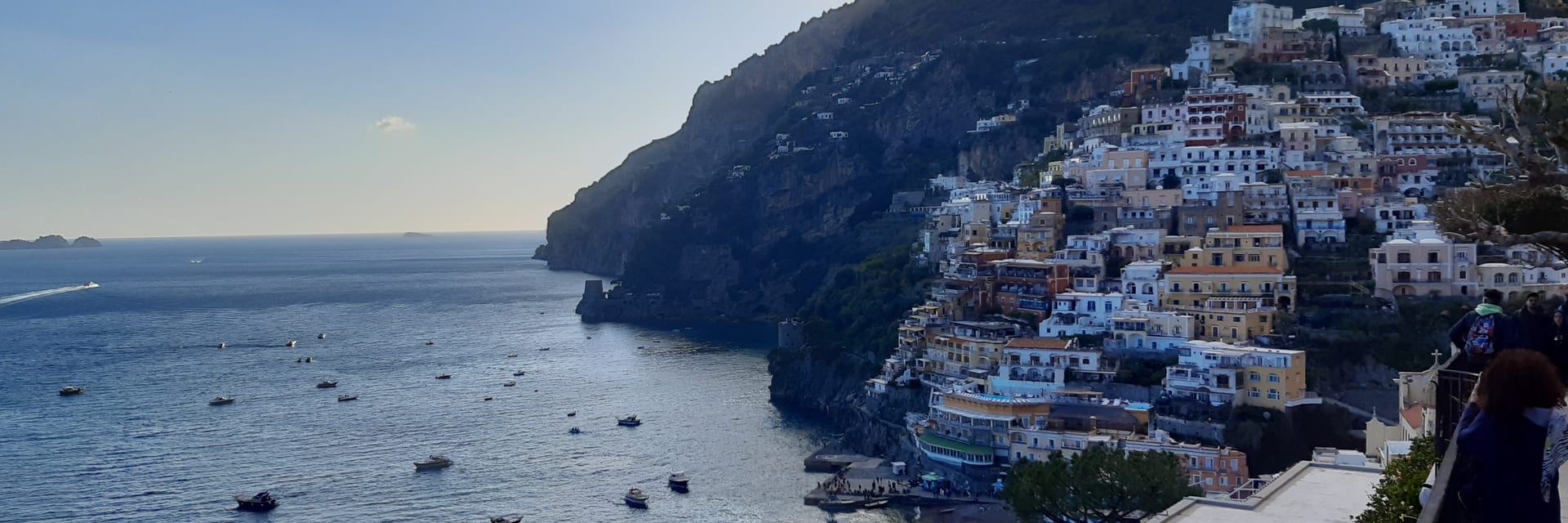
Photo: Wiki.Bianco via Wikimedia Commons, CC BY-SA 4.0
Talk to a travel expert - call +1 (323) 800 6001, 24/7.
Real people, no bots. We plan flights, hotels, transfers and tours together and book everything over the phone. Prefer to start online? Use Plan My Vacation and we call you back.
An Italy and Greece vacation package from Fond Travels is normally 12 to 16 days on one open-jaw ticket: fly into Rome, take the trains through Italy, cross to Athens in about two hours by air, then reach Santorini and Mykonos by ferry or a short flight and fly home from Athens. Call +1 (323) 800 6001 at any hour, tell us your dates and your US airport, and a travel expert builds and books the whole trip with you by phone.
These two countries pair well because they are close together and completely different in feeling. Italy gives you layered cities, art, food regions and a coastline of cliff villages; Greece gives you an ancient capital and then whitewashed islands, long swims and slow evenings. Booking them as one trip with an open-jaw ticket means you never fly back to your starting city, and it puts the restful half at the end.
A 15-day Italy and Greece itinerary
Twelve days is the practical minimum for both countries, and 14 to 16 days is the comfortable range. The shape below is the one most couples and families choose: about eight or nine nights in Italy, then five or six in Greece. If you would rather begin in Greece, we simply reverse it and fly home from Rome, Milan or Naples.
| Days | Where | Highlights |
|---|---|---|
| Days 1-2 | Travel to Rome | Overnight flight from the US; arrive, check in and take an easy evening walk near the Pantheon |
| Days 3-4 | Rome | Colosseum and Roman Forum with a guide, the Vatican Museums and Sistine Chapel, Trastevere in the evening |
| Days 5-6 | Florence and Tuscany | High-speed train in about 1 hour 30 minutes; Uffizi and Duomo, then a vineyard and hill-town day |
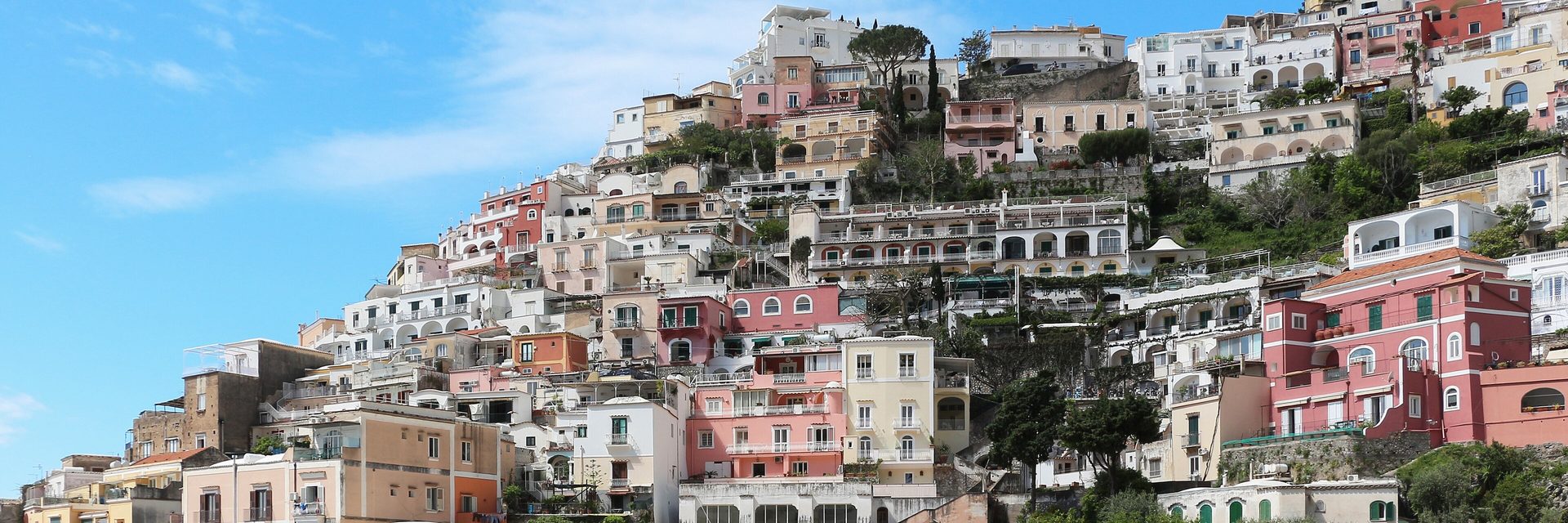
| Days 7-8 | Venice or the Amalfi Coast | Grand Canal, St. Mark's and Murano, or Positano, Ravello and a boat day to Capri |
| Day 9 | Rome to Athens | Short flight of about two hours; settle into a hotel below the Acropolis |
| Days 10-11 | Athens | Acropolis and its museum, Ancient Agora, Plaka and Monastiraki, a day trip to Cape Sounion or Delphi |
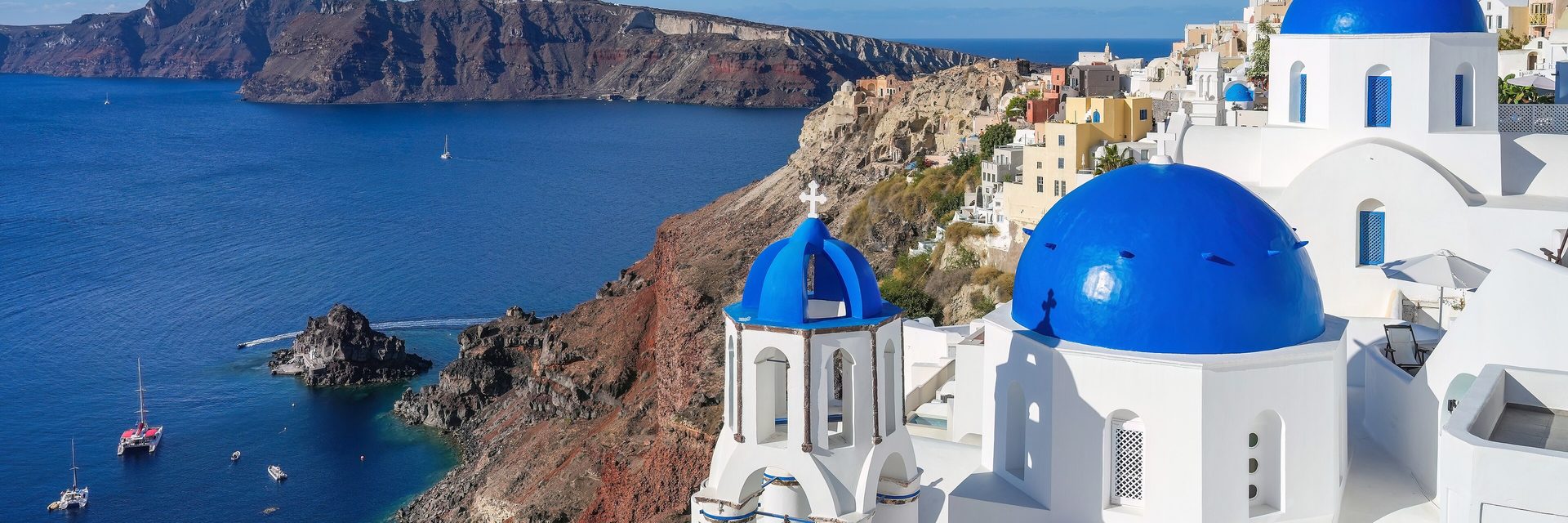
| Days 12-14 | Santorini and Mykonos | Caldera villages and the Oia sunset, wineries, a catamaran day, then beaches and old town lanes |
| Day 15 | Return to the US | Morning flight back to Athens and the nonstop or one-stop flight home |
Flights from the US: the open-jaw ticket
The ticket that makes this trip work is an open-jaw: into Rome and home from Athens, or the reverse. You pay one international fare and you never double back. From the East Coast, nonstop flights to Rome run about 9 to 10 hours, and there are seasonal nonstops to Athens from New York JFK, Newark, Chicago, Washington Dulles, Boston and Atlanta, mostly from late spring into October. From the West Coast and much of the Midwest, expect one connection in Europe in each direction.
Rome to Athens is about two hours in the air, with several departures a day year round. If you prefer the slow crossing, an overnight ferry runs from Bari or Brindisi in the heel of Italy to Patras or Igoumenitsa in western Greece, roughly 15 to 17 hours with cabins on board. It adds about a day at each end and lands you far from Athens, so we suggest it mainly for travelers driving through southern Italy. For the transatlantic leg, ask about business class on the overnight flight only.
When to go: the right months for Italy and Greece
The sweet spots are May and June and September into early October. The sea is warm enough to swim, the ruins are bearable in the middle of the day, and the islands are fully open without the peak crush.
- May to mid-June: green Tuscan countryside, long daylight, comfortable city sightseeing and a sea that warms through June.
- July and August: hot and crowded in Rome, Florence and Athens, with the strongest island winds in August. It works for families tied to school holidays if we sightsee early and rest at midday.
- September to early October: the warmest sea of the year, softer light, harvest season in Tuscany and calmer crowds. This is our most requested window.
- November to March: Italy stays rewarding, but many island hotels, restaurants and ferry routes reduce service or close for the season. For a winter trip we usually keep Greece to Athens and the mainland.
Whatever month you choose, we book timed entry for the Vatican, the Uffizi and the Acropolis in advance, because walk-up lines can swallow a morning at all three.
What is included in the package
- Round-trip flights from your US airport, usually open-jaw into Rome and home from Athens, with baggage and seat rules explained before you pay.
- The Rome to Athens flight or the Italy to Greece ferry crossing, timed so you do not lose a sightseeing day.
- Hotels in each base, picked for walkable locations, and caldera-view or beachfront rooms on the islands where you want them.
- High-speed rail tickets between Italian cities, with seat reservations and luggage guidance.
- Island ferries or domestic flights between Athens, Santorini and Mykonos, with port and airport transfers.
- Guided sightseeing at the Colosseum, the Vatican, the Uffizi and the Acropolis, plus a Tuscan vineyard day and a catamaran day in the islands.
- Arrival help, including what the new biometric border check means for your first entry and how long to allow.
- One contact 24/7 for changes before and during the trip.
Where to stay and how to move between the islands
In Rome, the historic center between the Pantheon and Piazza Navona, or Monti near the Forum, keeps most evenings on foot. Florence is small enough that any central hotel works, though courtyard-facing rooms sleep better. On the Amalfi Coast, Sorrento is the easiest base for day trips, while Positano and Ravello are more dramatic and involve many steps. In Venice, Dorsoduro or Cannaregio keeps you off the busiest lanes.
In Athens, look at Plaka, Koukaki or Thissio for Acropolis views and short walks to the sites. On Santorini, Oia and Imerovigli have the famous caldera views and the most stairs; Fira is central and lively; Kamari and Perissa sit by the beach and cost less. On Mykonos, the old town is walkable and late-night, while Ornos, Platis Gialos and Agios Ioannis are calmer with easy swimming.
Ferries or flights? High-speed ferries link Athens, Mykonos and Santorini in roughly two to five hours and are scenic and simple with light luggage. Domestic flights take about 45 minutes and are safer on a tight schedule or in windy weeks, because strong winds can cancel sailings with little notice. We often book the ferry outbound and the flight back to Athens, and we never plan an island departure on the same day as your flight home.
What this trip is like with a family or on a honeymoon
The same route works for very different groups, and the difference is in the pacing and the rooms rather than the map.
- With children: shorter museum visits, a gladiator workshop in Rome, a pizza-making class near Naples and a boat day in the islands, with connecting rooms or apartment-style hotels.
- With grandparents: hotels with elevators and level entrances, no Positano or Oia stairs, private transfers at the port and two or three nights in every base. See how we plan travel for seniors.
- On a honeymoon: a caldera-view room with a plunge pool for the last nights, a sunset catamaran, a private wine tasting in Tuscany and dinner requests made before arrival.
- For a first trip to Europe: three Italian bases at most, private guides at the big sites and a meet-and-greet on arrival.
Food is half the reason people come: a market walk and a pasta class in Italy, a long lunch in a Tuscan wine village, then a tasting of island wines grown in volcanic soil and a harbor dinner where you choose the fish at the counter. Vegetarian, vegan, gluten-sensitive and halal requests all work on this route, and we note them with hotels and tours when we book. Traveling as a larger party? Ask about group travel arrangements.
Entry rules for US citizens in 2026
Governments change these rules often, so confirm them on official sources before you travel. Recent rules for US passport holders:
- No visa for US citizens: Italy and Greece are both in the Schengen area, where a US passport allows tourist stays of up to 90 days in any 180-day period. Your days in both countries count toward the same 90.
- EES biometric border check: the Schengen Entry/Exit System has been fully operational since April 10, 2026. On your first entry, every traveler, including children, gives fingerprints and a photograph at the border, so allow extra time at passport control.
- ETIAS: the European travel authorization still has no confirmed launch date and is not required for trips in 2026.
- Passport validity: your passport should be valid for at least three months beyond the date you leave the Schengen area, and it should have been issued within the past ten years.
- Internal travel: the Rome to Athens flight and the island ferries stay inside Schengen, so there is no second border check, but photo identification is needed to board.
Before booking, read the current US State Department travel advisory for every country on your itinerary and consider enrolling in its STEP alert service. Rules for travelers on non-US passports, including green card holders, differ, so tell us every traveler's nationality when you call.
How to get more from your budget
- Use the open-jaw ticket. Flying home from a different city than you arrived in saves a full travel day and often costs no more than a round trip.
- Travel in late May, early June or late September, when the weather is at its best and rates sit below the July and August peak.
- Stay longer in fewer places. Four bases across two weeks beats six, and every hotel change costs a half day.
- Pick one island, not three. Adding a third island usually buys travel time rather than beach time.
- Book by December for a summer trip, when caldera-view rooms and the best rail and ferry timings are still open.
How booking by phone works
- Call +1 (323) 800 6001 at any hour to reach a travel expert.
- Describe the trip: dates, departure city, who is traveling, the pace you like and any meal, room or mobility needs.
- Hear your options and the total for flights, hotels, transfers and tours, with the fare and cancellation rules explained.
- We book and email everything, with a checklist of documents and arrival forms, and stay reachable 24/7 while you travel.
Why book with Fond Travels
Fond Travels, LLC is an independent US travel agency in Woodbridge, Virginia, planning trips since 2017. We are not tied to one airline, resort brand or tour company, so we compare options side by side and recommend what fits your group. We are rated 4.8 out of 5 by more than 2,500 Google reviewers and answer the phone around the clock. Read how booking by phone works with our team.
More trips to consider
- Italy vacation packages for a trip focused on Italy alone.
- Greece vacation packages for more time in Athens and the islands.
- Greek Isles cruise packages to see several islands without repacking.
- Italy honeymoon packages for couples starting in Rome.
- Greece honeymoon packages for a slower island trip for two.